Single Shahed-136 drone transits Kyiv Oblast toward Kozyn; no impact
What happened
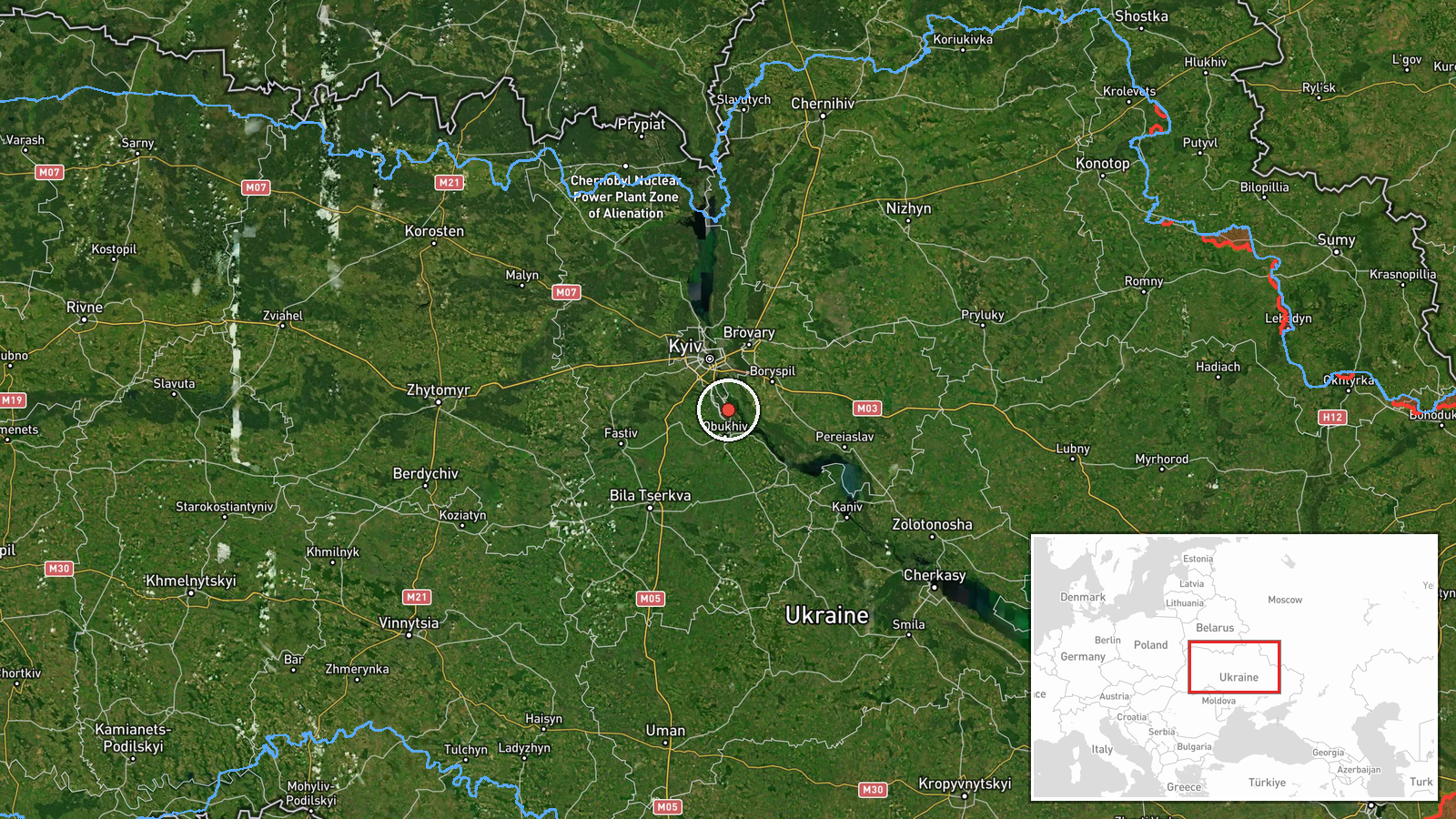
Ukrainian air monitoring reported one Russian reactive drone (a Shahed-136 variant) in transit over Kyiv Oblast moving in the direction of Kozyn on the evening of 29 September. The report, issued by the Telegram channel @war_monitor, noted no impact or interception. The drone was tracked but its ultimate destination and whether it was engaged remained unconfirmed in the available reporting.
Context and assessment
The transit occurred amid a sustained Russian campaign against Kyiv and surrounding oblast. Earlier on 29 September, Ukrainian air defenses reported intercepting 109 Russian targets during an overnight massed attack involving over 100 Shahed-136 and piston-engine drones, plus cruise and ballistic missiles. A large-scale strike on Kyiv itself with multiple explosions was also reported the same afternoon. Kozyn lies roughly 40 km southwest of central Kyiv and represents an intermediate waypoint for drones approaching or transiting the capital region. The single transit may reflect either a straggler from the larger assault wave or a separate reconnaissance or targeting sortie.
Sources and confidence
Single source: Telegram channel @war_monitor, a Ukrainian air-monitoring outlet. No cross-confirmation from other channels or Ukrainian official statements in the data provided. Confidence score of 6.0 reflects the credible but unverified nature of the report. Confirmation by additional independent monitoring channels or official SBU/Air Force statements would raise confidence; silence from other monitors despite the reported transit would lower it.
Location
Kozyn is a settlement in Kyiv Oblast, situated approximately 40 km southwest of Kyiv city center at 50.23°N, 30.65°E. It lies in the relatively flat terrain of central Ukraine's Polesian region, accessible via major roads connecting to Kyiv. No specific infrastructure target was identified; the location indicates the drone's reported transit vector rather than a confirmed target.
Related events nearby
- Ukrainian air monitoring reports Russian drone transits over Kyiv: 1 drone at Osokorky (1km), 1 drone at Zviry2026-09-29 18:17 UTC · Drone Transit · Livoberezhny Massif, Kyiv, Ukraine
- Large-scale Russian drone attack on Kyiv reported with explosions heard across the Ukrainian capital. Multiple2026-09-29 19:00 UTC · UAS Strike · Kyiv, Ukraine
- Asian volunteer fighters serving in Ukrainian forces. Report documents non-Ukrainian combatants fighting along2026-09-29 14:55 UTC · Deployment · Kyiv, Ukraine
- Russian forces conducted massed drone attack on night of 28–29 September 2026: 100+ Shahed-136 reactive (jet-p2026-09-29 05:52 UTC · UAS Strike · Kyiv, Kyiv City, Ukraine
- Ukrainian air defenses intercepted 109 Russian targets in overnight attack of Sept 28-29: 1 Zircon/Onyx cruise2026-09-29 05:26 UTC · Air Defense · Kyiv, Kyiv City, Ukraine
▶ View this event on the live map
Intel Mapper aggregates open-source reports from monitored Telegram and X channels, geolocates them, cross-checks duplicates across sources and assigns a confidence score. Entries are updated as new confirmations arrive. Read how we verify events.