Russian Shahed drone transits over Kremenchuk; no impact reported
What happened
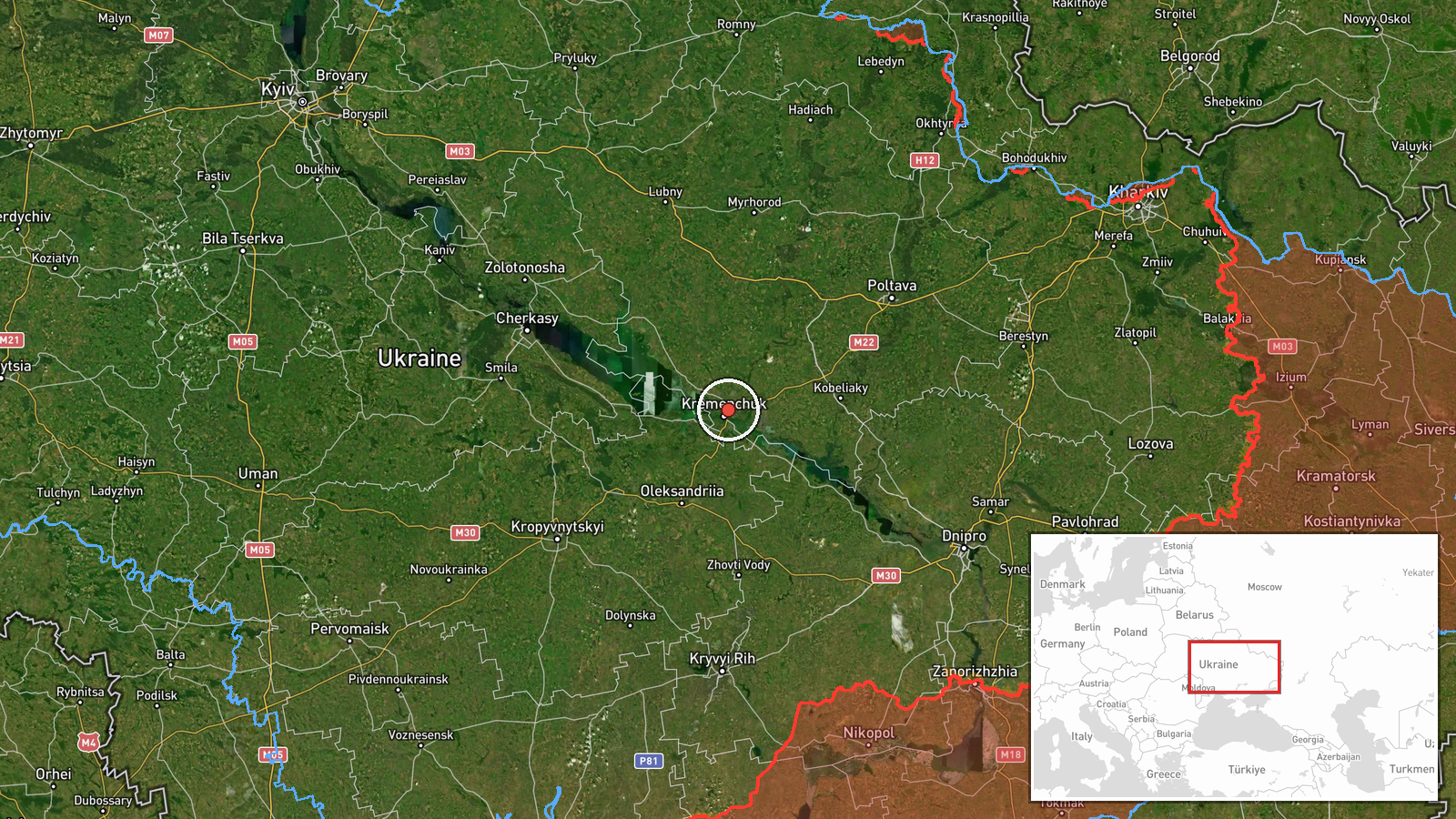
Ukrainian air monitoring detected one Russian reactive drone, reportedly a Shahed-136 variant, passing over Kremenchuk in Poltava Oblast on September 30 at 00:49 UTC. The report, posted to Telegram by @war_monitor, noted the drone's transit over the city but made no mention of interceptions or strikes. No impacts were reported.
Context and assessment
Kremenchuk, a major industrial city on the Dnipro River in central Ukraine, has been a recurring target for Russian drone operations throughout the conflict due to its infrastructure and manufacturing capacity. This transit occurred within a pattern of sustained Russian drone activity across the region—related reports document three Shahed variants detected transiting from Poltava toward Cherkasy Oblast on September 29, and two additional drones spotted over Dniprovskyi District the same day. The frequency and routing of these transits suggest Russia continues probing Ukrainian air defenses across central Ukraine, though whether each represents an attack attempt, reconnaissance, or deliberate routing through defended airspace remains unclear from available reporting.
Sources and confidence
Single source: Telegram channel @war_monitor, a Ukrainian air monitoring account. No cross-confirmation from independent sources or Ukrainian official channels noted. Confidence score of 6.0 reflects the single-source reporting and lack of impact verification. Confirmation by additional monitoring channels or official Ukrainian statements would strengthen confidence; absence of any interception or air defense claim slightly lowers assessment.
Location
Kremenchuk, a city of approximately 220,000 in Poltava Oblast, lies on the Dnipro River in central-eastern Ukraine. The location was identified at region-level precision (coordinates 49.09, 33.43). The city is a known industrial hub and has hosted military and civilian infrastructure targets throughout the war, making drone transits through its airspace tactically significant.
Related events nearby
- Ukrainian air monitoring reports 3 Russian reactive drones (Shahed variants) transiting over Poltava Oblast to2026-09-29 18:38 UTC · Drone Transit · Poltava Oblast to Cherkasy Oblast, Ukraine
- Ukrainian air monitoring detected 2× Russian Shahed-136 reactive kamikaze drones transiting over Berestin towa2026-09-29 08:50 UTC · Drone Transit · Dniprovskyi District, Dnipropetrovsk Oblast, Ukrai
▶ View this event on the live map
Intel Mapper aggregates open-source reports from monitored Telegram and X channels, geolocates them, cross-checks duplicates across sources and assigns a confidence score. Entries are updated as new confirmations arrive. Read how we verify events.