Russian cruise missiles detected heading toward Maiak in Odesa Oblast
What happened
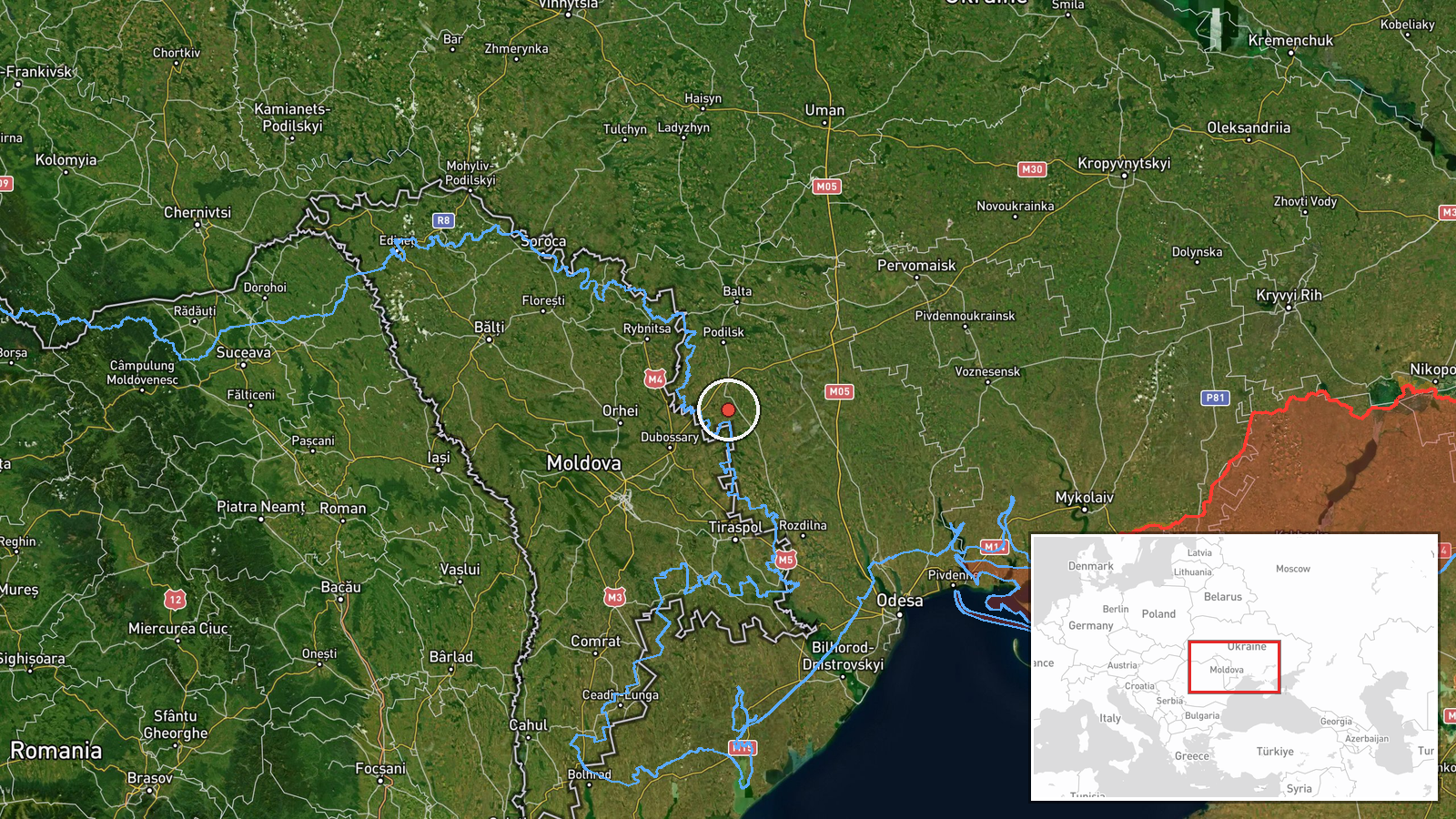
Russian cruise missiles, reportedly Kh-47/UMPC-5 or Kalibr variants, were detected en route from Odesa toward Maiak in Bilhorod-Dnistrskyi district, Odesa Oblast, on 3 October at 04:46 UTC. The detection was reported via Telegram by @war_monitor. The missiles are described as subsonic cruise weapons, consistent with Russia's ongoing campaign of strikes targeting coastal infrastructure and settlements in the Odesa region.
Context and assessment
Maiak lies in Bilhorod-Dnistrskyi, a coastal district in southern Odesa Oblast near the Romanian border. The area has been subject to repeated Russian missile and drone strikes throughout the conflict, particularly targeting port facilities, military assets, and civilian infrastructure. This strike follows a reported volley of nine similar cruise missiles detected toward the broader Odesa region earlier the same morning, suggesting a sustained or renewed Russian offensive operation against the region's coastal targets. Such patterns often indicate Russian efforts to disrupt Ukrainian logistics, damage transportation networks, or degrade air defense capabilities ahead of broader operations.
Sources and confidence
Report sourced from Telegram channel @war_monitor. Single-source reporting limits independent cross-confirmation. Confidence score of 6.0 reflects the source's known track record in conflict reporting but the absence of corroborating reports from alternative channels. Confirmation from Ukrainian military or additional independent sources would strengthen confidence; absence of follow-up reporting would lower it.
Location
Maiak is a settlement in Bilhorod-Dnistrskyi district, Odesa Oblast, southern Ukraine, located near the Black Sea coast approximately 40 kilometers west of Odesa city. The area sits close to the Romanian border and has historically served as a transit zone for civilian and military movement. Geographic coordinates place it in the coastal lowland region typical of southern Odesa.
Related events nearby
- Bomb threat reported at Chisinau airport; passengers held in aircraft as authorities investigate. Nature and c2026-10-02 13:58 UTC · Security · Chisinau International Airport, Chisinau, Moldova
- Nine Russian cruise missiles (Kh-47/UMPC-5 or Kalibr variants) detected en route toward Odesa region. Continua2026-10-03 04:40 UTC · UAS Strike · Odesa region/Odesa Oblast, Ukraine
▶ View this event on the live map
Intel Mapper aggregates open-source reports from monitored Telegram and X channels, geolocates them, cross-checks duplicates across sources and assigns a confidence score. Entries are updated as new confirmations arrive. Read how we verify events.