Russian cruise missiles strike toward Odesa Oblast in overnight attack from Crimea
What happened
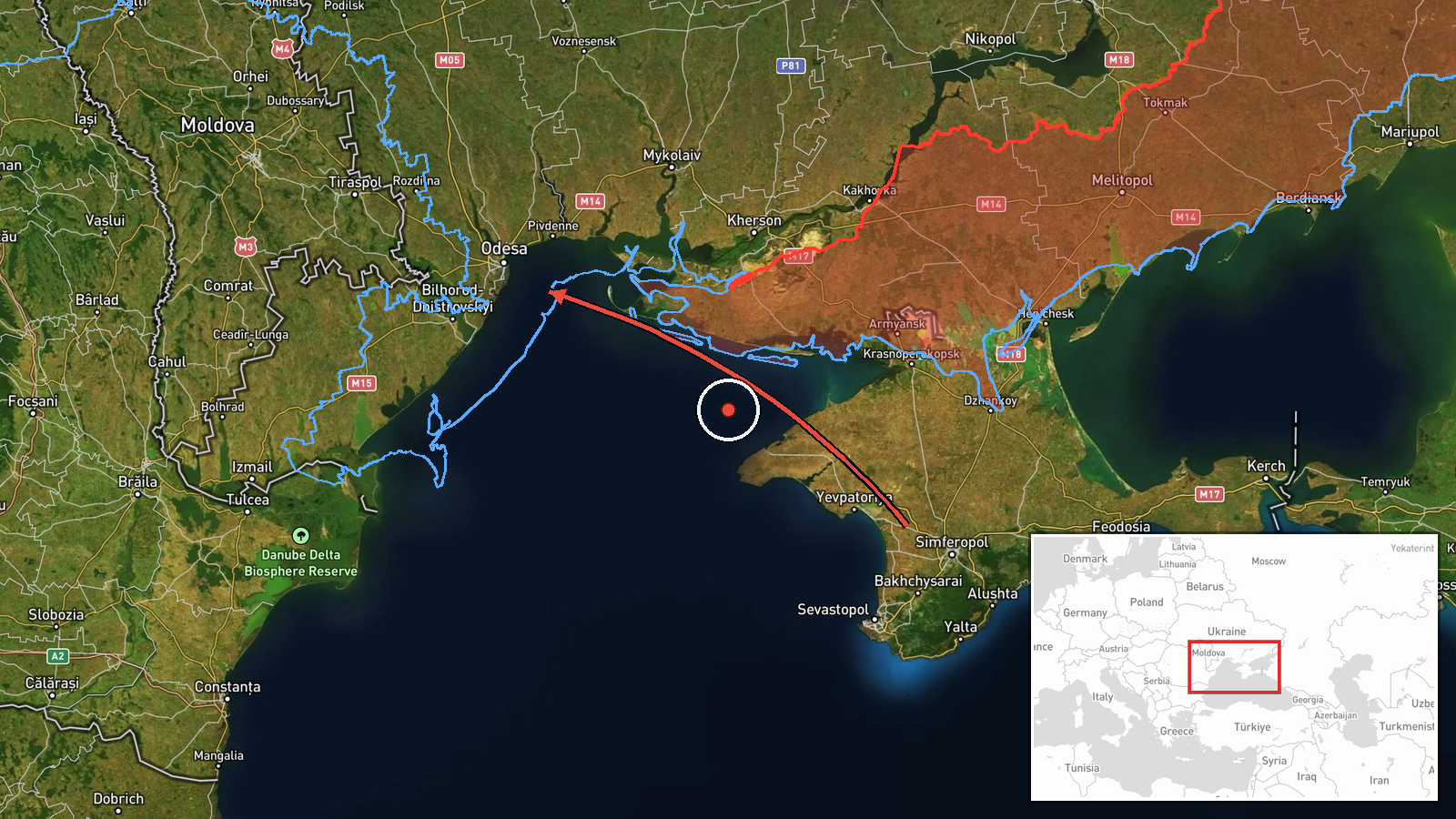
Russian forces reportedly launched two cruise missiles from Crimea toward Odesa Oblast during an overnight operation on October 4, according to Telegram channel @war_monitor. The missiles were directed at the Odesa district region. The report characterizes the strike as part of a sustained massed missile campaign targeting southern Ukraine. No immediate information on impacts or damage was provided in the initial report.
Context and assessment
Odesa Oblast, Ukraine's primary southern port region and a critical economic and military logistics hub, has faced intensifying Russian missile strikes in recent weeks. This attack coincides with a simultaneous strike by four Kh-59 cruise missiles against Berezanka in neighboring Mykolaiv Oblast on the same date, suggesting a coordinated multi-vector overnight campaign across the southern front. The pattern reflects Russia's continued reliance on standoff weapons to target rear-area infrastructure and civilian populations. The timing also follows a reported October 3 incident in which Russian drones deliberately entered Moldovan airspace, indicating broader operational activity across the southern theater.
Sources and confidence
Single source: Telegram channel @war_monitor. No cross-confirmation from Ukrainian official channels or Western intelligence agencies noted in available data. Confidence score of 6.0 reflects single-source reporting and lack of independent verification. Confirmation from Ukrainian Air Force or regional military administration statements, or damage assessments, would substantially raise confidence.
Location
Odesa Oblast, southern Ukraine's coastal region bordering the Black Sea, approximately 450 kilometers southwest of Kyiv. The precision is regional rather than site-specific. Odesa city and its port facilities lie within this oblast; the wider region includes critical transportation and logistics infrastructure supporting Ukrainian operations and civilian supply.
Related events nearby
- Russian forces launched 4 Kh-59 cruise missiles toward Berezanka area, Mykolaiv Oblast. Part of ongoing overni2026-10-04 08:12 UTC · Cruise Missile · Berezanka, Mykolaiv Oblast, Ukraine
▶ View this event on the live map
Intel Mapper aggregates open-source reports from monitored Telegram and X channels, geolocates them, cross-checks duplicates across sources and assigns a confidence score. Entries are updated as new confirmations arrive. Read how we verify events.