Russian ballistic missile detected over Kyiv in early morning strike
What happened
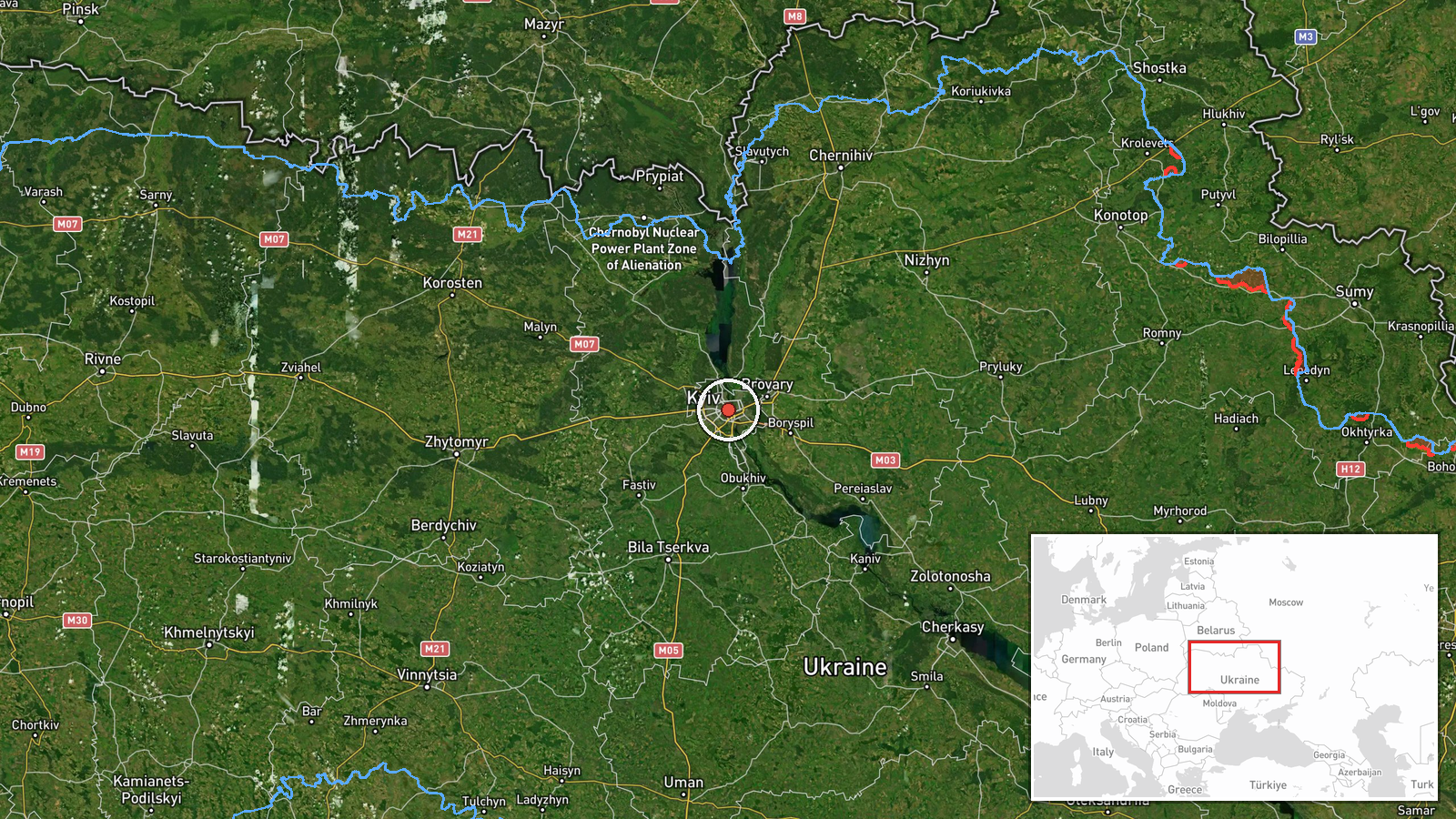
Ukrainian air monitoring systems reported one Russian ballistic missile over Kyiv and the surrounding Brovary area at approximately 04:00 UTC on October 14, 2026. The report was posted to Telegram by the war monitoring channel. This strike followed drone activity earlier the same morning, including detection of a Shahed (Geran-3) jet-powered drone heading toward the capital roughly 15 minutes prior.
Context and assessment
Kyiv, Ukraine's capital and largest city, remains a recurring target for Russian long-range strikes throughout the ongoing conflict. This ballistic missile strike is part of a sustained pattern: Ukrainian air monitoring had detected another ballistic missile approaching Kyiv just 15 minutes earlier, and a similar strike was reported on October 13. The frequency of ballistic and drone strikes on the capital suggests Russia continues to employ stand-off weapons to strike political and strategic targets. On October 13, President Zelensky publicly stated that five ballistic missiles had struck Kyiv that day, and criticized international partners for failing to provide advance warning. This pattern reflects Russia's reliance on long-range missiles as a primary means of striking defended urban centers.
Sources and confidence
Reported by a single Telegram channel (@war_monitor) focused on Ukrainian air defense monitoring. No cross-confirmation from other open sources is noted in available data. The single-source reporting lowers confidence to 6.0 out of 10. Confidence would increase with corroboration from Ukrainian official statements, air defense announcements, or additional monitoring channels. Unconfirmed reports of interception or damage would also refine the assessment.
Location
Kyiv, the national capital located in north-central Ukraine on the Dnieper River, plus the adjacent Brovary district to the east. The settlement-level precision reflects reporting of the capital city and immediate surroundings. Kyiv is Ukraine's largest urban concentration and primary seat of government, making it a persistent focus for Russian strikes.
Related events nearby
- Ukrainian air monitoring: 1 Russian ballistic missile over Kyiv.2026-10-14 03:45 UTC · Ballistic Missile · Kyiv, Ukraine
- Ukrainian air monitoring: 1 Russian jet-powered Shahed (Geran-3) drone heading toward Kyiv.2026-10-14 02:19 UTC · Drone Transit · Kyiv, Ukraine
- Ukrainian air monitoring: 1 Russian ballistic missile heading toward Kyiv.2026-10-13 19:41 UTC · Ballistic Missile · Kyiv, Ukraine
- President Zelensky claims partners failed to warn Ukraine of Russian ballistic missile strike on Kyiv. Five ba2026-10-13 19:04 UTC · Statement · Kyiv, Ukraine
- Former Ukrainian military commander-in-chief Oleksandr Syrskyi states Ukrainian forces have stabilized the fro2026-10-13 18:06 UTC · Statement · Kyiv, Ukraine
▶ View this event on the live map

Intel Mapper aggregates open-source reports from monitored Telegram and X channels, geolocates them, cross-checks duplicates across sources and assigns a confidence score. Entries are updated as new confirmations arrive. Read how we verify events.