Zelensky claims Western partners failed to warn of Russian ballistic strike on Kyiv
What happened
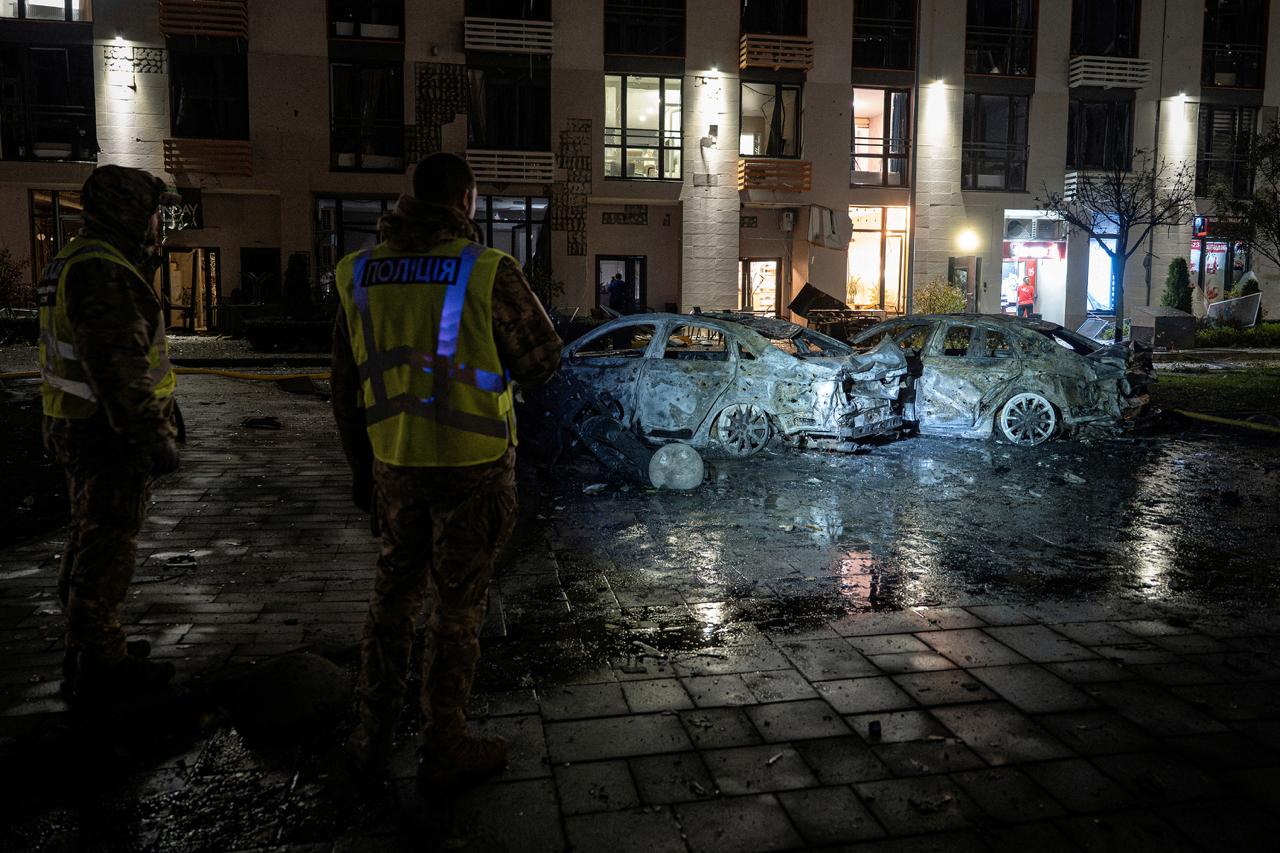
President Volodymyr Zelensky stated on October 13 that Ukraine received no advance warning from Western intelligence partners before five Russian ballistic missiles struck Kyiv. The statement came as Ukraine was investigating an early-warning failure during the attack. Zelensky's claim emerged amid reported U.S. threats to reduce intelligence sharing with Ukraine, though the exact context and timing of those threats remain unclear from the available reporting.
Context and assessment
Kyiv has faced sustained Russian missile and drone attacks throughout the conflict, with air defenses regularly engaged against waves of strikes. The claimed failure to warn aligns with reports of delayed air raid alerts on October 12–13, which Ukrainian Foreign Minister Sybiha attributed to Russian use of novel strike methods. Related statements from former commander Syrskyi on October 13 indicated Ukrainian forces had stabilized frontlines through counter-attacks, suggesting operational pressure may be driving friction over intelligence coordination. The intersection of capability gaps, new Russian tactics, and diplomatic tensions over intelligence sharing suggests both technical challenges and potential policy disputes within the Ukrainian-Western alliance.
Sources and confidence
Reported by Telegram channel ClashReport. Foreign Minister Sybiha's statement on October 13 provides partial corroboration regarding delayed alerts and novel Russian methods. Confidence score of 6.5 reflects single-source reporting of Zelensky's claim; would increase with independent confirmation from Ukrainian government media or cross-reporting. Would decrease if attack details or warning timeline prove inconsistent with other open-source records.
Location
Kyiv, Ukraine's capital city (50.45°N, 30.52°E), located in north-central Ukraine along the Dnieper River. Settlement-level precision. Related drone transit reports from October 13 track Russian Shahed drones passing through Vyshneve, a suburb southwest of the city, before heading toward Kyiv.
Related events nearby
- Ukrainian air monitoring: 1 Russian ballistic missile heading toward Kyiv.2026-10-13 19:41 UTC · Ballistic Missile · Kyiv, Ukraine
- Former Ukrainian military commander-in-chief Oleksandr Syrskyi states Ukrainian forces have stabilized the fro2026-10-13 18:06 UTC · Statement · Kyiv, Ukraine
- Ukrainian air monitoring: 1 Russian jet-powered Shahed (Geran-3) drone heading toward Kyiv.2026-10-13 14:26 UTC · Drone Transit · Kyiv, Ukraine
- Ukrainian air monitoring: 1 Russian jet-powered Shahed (Geran-3) drone passing Vyshneve, heading toward Kyiv.2026-10-13 14:05 UTC · Drone Transit · Kyiv, Ukraine
- Ukrainian Foreign Minister Sybiha confirms receipt of US intelligence and attributes delayed air raid alerts d2026-10-13 11:14 UTC · Statement · Kyiv, Ukraine
▶ View this event on the live map

Intel Mapper aggregates open-source reports from monitored Telegram and X channels, geolocates them, cross-checks duplicates across sources and assigns a confidence score. Entries are updated as new confirmations arrive. Read how we verify events.