Russian Shahed drones tracked over Kyiv Oblast settlements
What happened
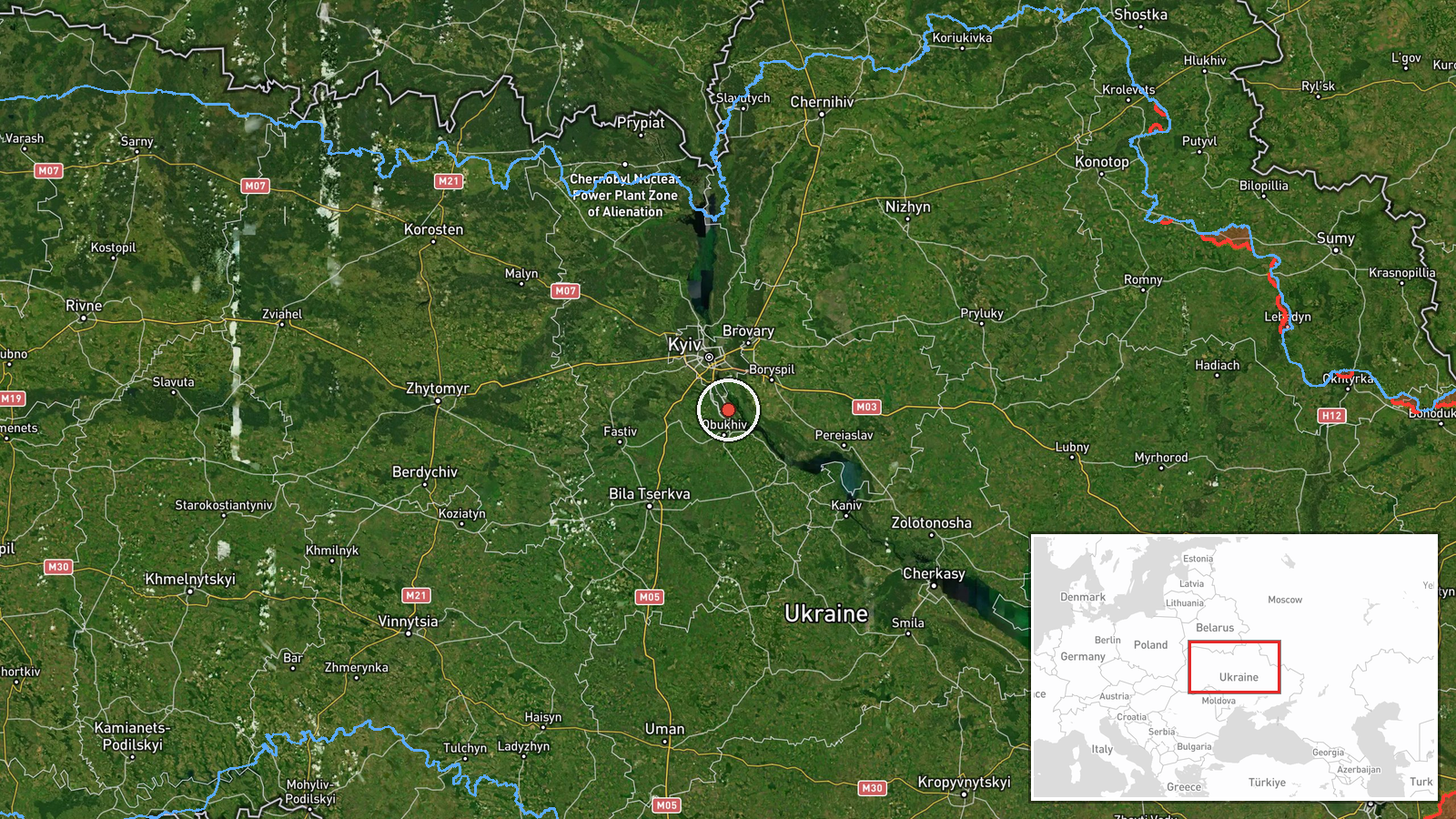
Ukrainian air monitoring detected two Russian Shahed-type unmanned aerial vehicles transiting over populated areas in Kyiv Oblast on the morning of October 14. One drone was tracked over Kozyn, a settlement approximately 40 kilometers south of Kyiv; a second was observed over Katiuzhanka, also in the region. The report, sourced from the Telegram channel @war_monitor, does not specify whether the aircraft were engaged or if they reached their intended targets.
Context and assessment
The sightings continue a sustained pattern of Russian drone activity across Kyiv Oblast documented over the preceding 24 hours. Related reports from October 13 and 14 show reconnaissance and strike aircraft, including faster jet-powered Geran-3 variants, moving through the airspace over Obukhiv, Pereiaslav, Vasylkiv, and Kyiv city itself. Kozyn and Katiuzhanka lie south of the capital in a corridor historically used for drone ingress routes. The repetition of Shahed transits in this zone may indicate continued targeting of civilian or military infrastructure in or near Kyiv, or transit to other objectives. Operational frequency suggests either sustained pressure or preparation for a larger strike package.
Sources and confidence
Single source: Telegram channel @war_monitor, a widely monitored Ukrainian open-source intelligence feed. No cross-confirmation from other channels or official military statements is noted in the data. Confidence score of 6.0 reflects the source's established track record but lack of independent verification. Confirmation by multiple Ukrainian air defense or military sources, or reports of engagement, would strengthen confidence.
Location
Kozyn is a settlement in Kyiv Oblast, approximately 40 kilometers south-southwest of central Kyiv, positioned in relatively flat terrain characteristic of the region. Katiuzhanka's precise location within Kyiv Oblast is not independently specified in available data. Both settlements lie within Ukrainian-controlled territory and civilian airspace frequently transited by Russian munitions.
Related events nearby
- Ukrainian air monitoring: 1 Russian jet-powered Shahed (Geran-3) drone over Obukhiv; 1 Russian Shahed-type dro2026-10-14 07:10 UTC · Drone Transit · Obukhiv, Ukraine
- Ukrainian air monitoring: 1 Russian jet-powered Shahed (Geran-3) drone heading toward Obukhiv.2026-10-13 13:36 UTC · Drone Transit · Obukhiv, Ukraine
- Ukrainian air monitoring: 1 Russian jet-powered Shahed (Geran-3) drone over Kharkivskyi Masyv, Kyiv.2026-10-13 14:20 UTC · Drone Transit · Kharkivskyi Masyv, Kyiv, Ukraine
- Ukrainian air monitoring: 1 Russian jet-powered Shahed (Geran-3) drone from Kyiv Oblast toward Chabany.2026-10-13 14:04 UTC · Drone Transit · Chabany, Ukraine
- Ukrainian air monitoring: 1 Russian Shahed-type drone over Vasylkiv.2026-10-14 07:11 UTC · Drone Transit · Vasylkiv, Ukraine
▶ View this event on the live map

Intel Mapper aggregates open-source reports from monitored Telegram and X channels, geolocates them, cross-checks duplicates across sources and assigns a confidence score. Entries are updated as new confirmations arrive. Read how we verify events.