Russian drone strike kills 3 in Dnipro office building
What happened
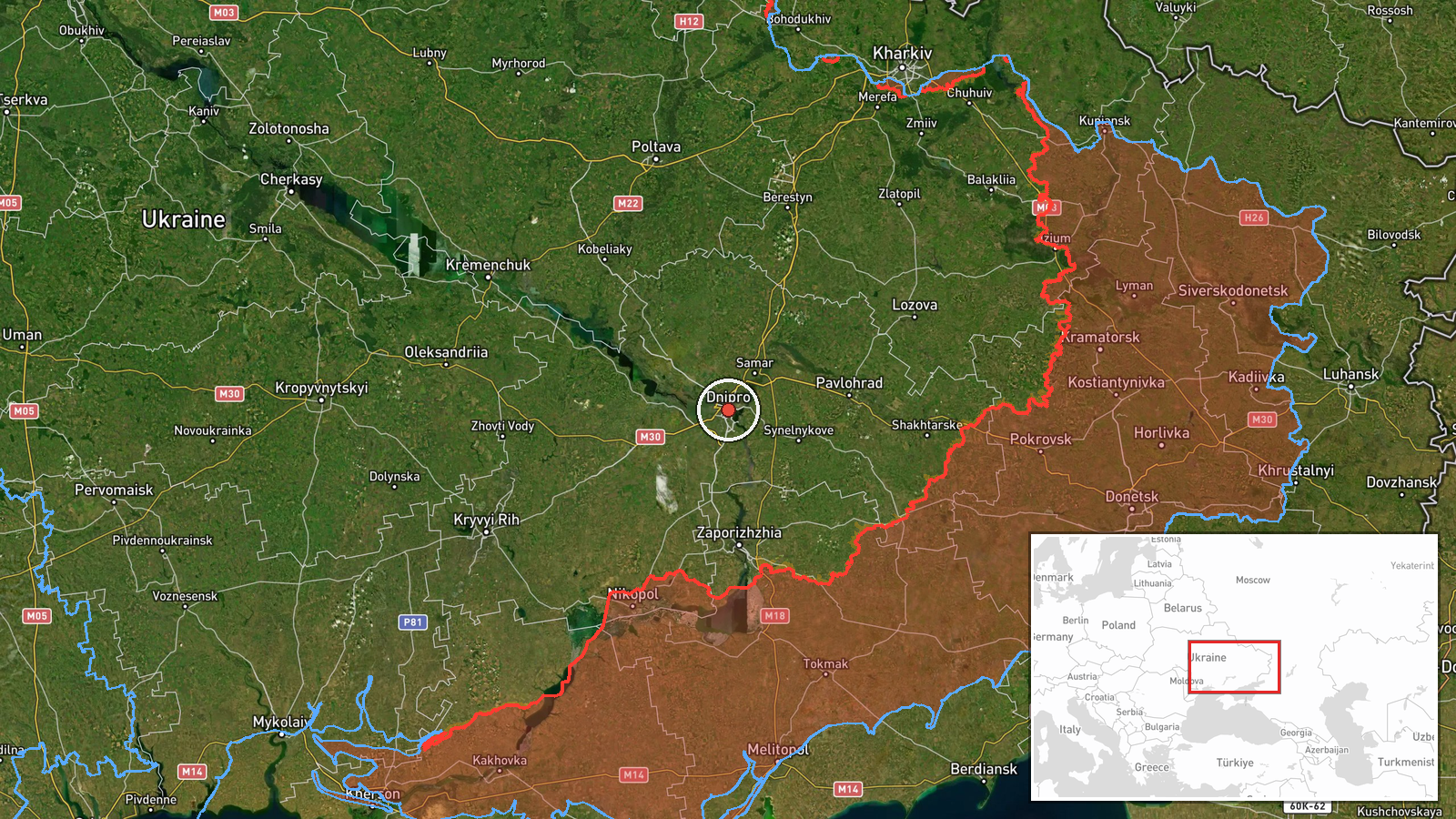
Three people were killed when a Russian unmanned aerial vehicle struck an office building in Dnipro, Ukraine's fourth-largest city, on September 28 at approximately 10:17 UTC. The Ukrainian regional governor confirmed the attack. The strike targeted a civilian structure in the city center of Dnipropetrovsk Oblast. No additional details on the building's function, damage extent, or circumstances of the casualties were provided in the initial report.
Context and assessment
Dnipro, located roughly 370 kilometers from Russian territory, has faced repeated drone and missile attacks throughout the conflict as Russian forces conduct sustained strikes on Ukrainian logistics hubs and urban centers. The attack follows a detected Shahed-variant drone transit near Poltava earlier that morning and occurs amid a broader pattern of Russian unmanned operations across central and eastern Ukraine. Such strikes on office buildings in major cities typically aim to disrupt administrative and economic functions or generate pressure on the civilian population. The targeting of Dnipro reflects Russia's continued effort to degrade Ukrainian civilian infrastructure and military-supporting activities across rear areas.
Sources and confidence
The attack was reported by the Ukrainian regional governor via Telegram channel @warmonitors. Only a single source has confirmed this event so far. Cross-confirmation from additional Ukrainian official channels or independent verification would strengthen confidence. The moderate confidence score reflects the single-source reporting and limited operational detail available at the time of initial disclosure.
Location
Dnipro city, Dnipropetrovsk Oblast, central-eastern Ukraine. Located in the Dnieper River valley approximately 370 km from the Russian border. The coordinates indicate the city center area. Dnipro is a major industrial and administrative hub serving as a key logistics node for Ukrainian operations.
Related events nearby
- Ukrainian air monitoring detected one Russian jet-powered Shahed-variant (reactive) UAV transiting near Poltav2026-09-28 02:15 UTC · Drone Transit · Poltava, Poltava Oblast, Ukraine
- Ukrainian General Staff reported destruction of Russian enemy drone control point and temporary UAV unit deplo2026-09-28 08:18 UTC · UAS Strike · Vinohradivka, Zaporizhzhia Oblast, Ukraine
▶ View this event on the live map
Intel Mapper aggregates open-source reports from monitored Telegram and X channels, geolocates them, cross-checks duplicates across sources and assigns a confidence score. Entries are updated as new confirmations arrive. Read how we verify events.