Ukraine reportedly conducts large-scale drone attack on Moscow and Crimea
What happened
According to reports on X, Ukraine conducted a significant unmanned aerial vehicle (UAV) attack involving hundreds of drones targeting Moscow and Crimea on 31 August 2026. The scale of the operation—described as involving hundreds of aircraft—suggests a coordinated, multi-vector assault on both the Russian capital and occupied Ukrainian territory in the Crimean Peninsula. The report does not specify damage or interception rates.
Context and assessment
Large-scale drone attacks on Moscow represent a continuation of Ukraine's demonstrated capability to strike deep into Russian territory despite air defence systems. Crimea, occupied by Russia since 2014 and serving as a key naval and logistical hub for Russian Black Sea operations, has been a recurring target. Such operations typically aim to degrade Russian military infrastructure, disrupt command-and-control functions, or inflict psychological pressure on the Russian civilian population and leadership. The timing follows Russian rhetoric regarding NATO and Arctic containment, suggesting the attack may reflect broader escalatory dynamics rather than a response to a specific recent provocation.
Sources and confidence
Single source report via X account @WarMonitor3. No cross-confirmation from Ukrainian official channels, Russian military statements, or independent media outlets is noted. Confidence score of 6.0 reflects the substantial claim but lack of corroboration. Confirmation from Ukrainian Defence Ministry or geolocated impact footage would significantly raise confidence.
Location
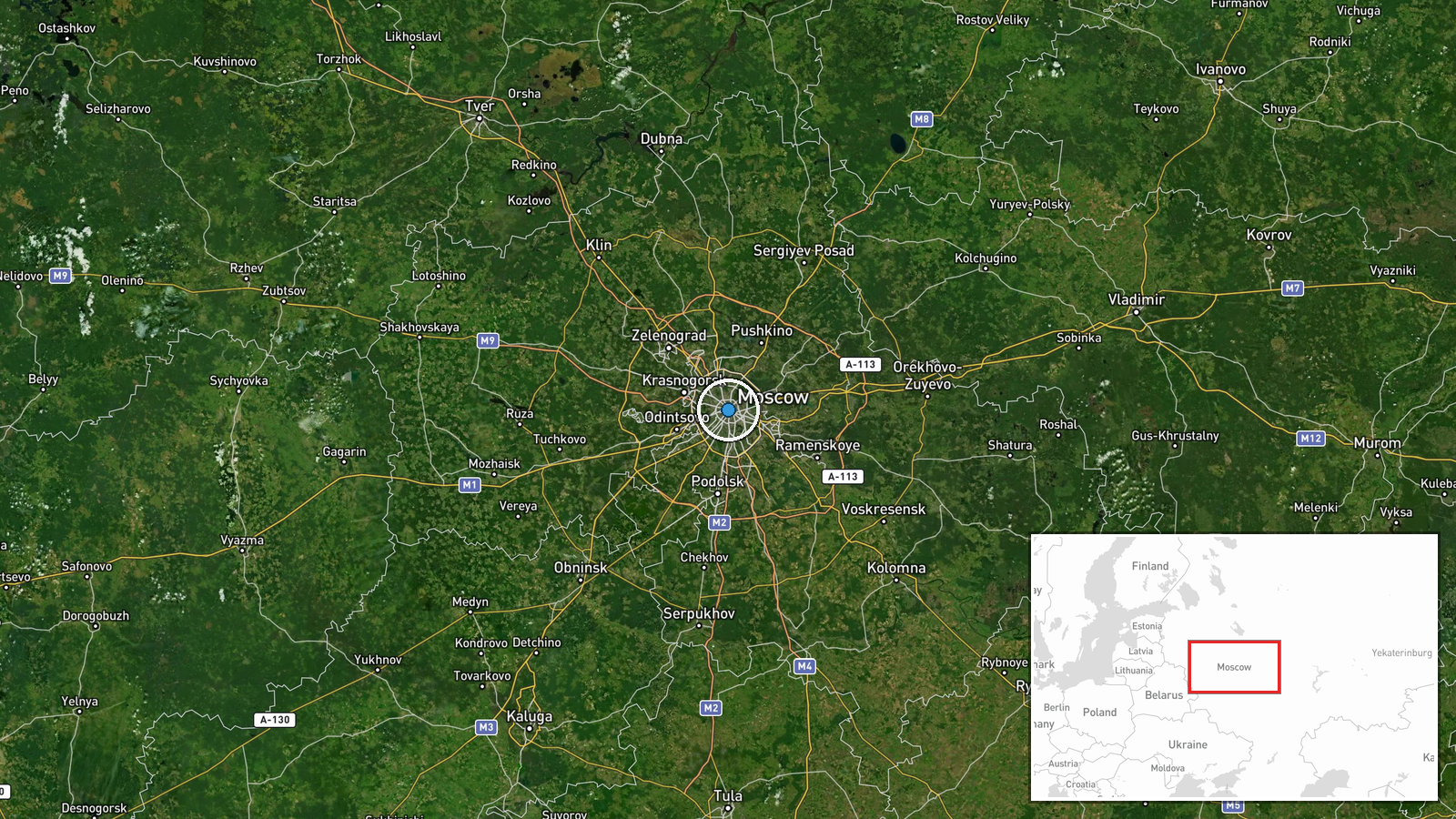
Moscow, Russia (capital, approximately 55.76°N 37.62°E) and Crimea (occupied peninsula, Black Sea region). Precision determined at regional level. Moscow is approximately 1,400 kilometres from the nearest Ukrainian-controlled territory. Crimea lies south across the Black Sea.
Related events nearby
- Russian Foreign Minister Lavrov claims NATO aims to turn the Arctic into a containment front against Russia an2026-08-31 07:46 UTC · Statement · Moscow, Russia
▶ View this event on the live map
Intel Mapper aggregates open-source reports from monitored Telegram and X channels, geolocates them, cross-checks duplicates across sources and assigns a confidence score. Entries are updated as new confirmations arrive. Read how we verify events.