Ukrainian forces report disruption of Russian operations in Lyman sector
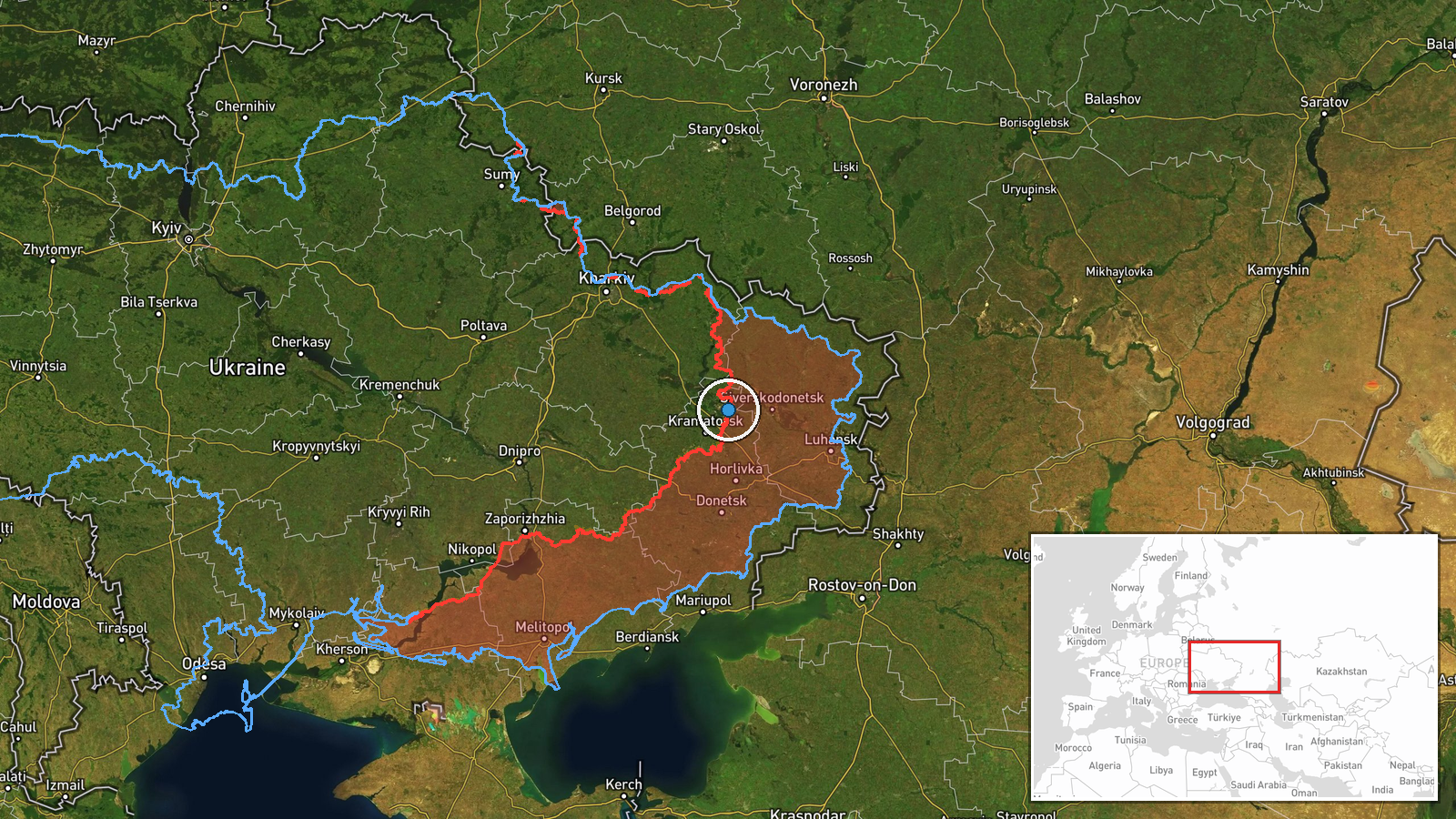
What happened
Ukrainian forces reportedly achieved a significant tactical disruption of Russian military operations in the Lyman sector of Donetsk Oblast on October 7, according to a post on X by @WarMonitor3. The claim asserts that Russian forces experienced widespread panic as a result and that Ukrainian actions disrupted strategic Russian plans in the area. The report provides no specific details regarding the nature of the disruption, forces involved, or military methods employed.
Context and assessment
Lyman, located in western Donetsk Oblast, has remained a contested area throughout the conflict, with both sides conducting offensive and defensive operations. The claim arrives amid sustained Ukrainian-Russian combat activity along multiple frontlines, with the General Staff reporting 202 combat engagements on October 7 alone. Related reports from October 6 document Russian FPV drone strikes and cruise missile activity in the broader region, suggesting continued intensity in this operational area. Such claims of tactical disruption, if accurate, would reflect Ukrainian efforts to maintain pressure on Russian positions, though the lack of corroborating detail limits assessment of the claim's scope or significance.
Sources and confidence
Single-source reporting from X account @WarMonitor3 with no cross-confirmation from other channels. Low confidence score reflects lack of supporting evidence, vague terminology ('serious panic,' 'massive disruption'), and single-channel attribution. Confirmation from Ukrainian military sources, independent verification of specific engagements, or detailed casualty or equipment loss reports would strengthen confidence.
Location
Lyman is a city in western Donetsk Oblast, approximately 120 kilometers southeast of Kharkiv. Coordinates place the report at the approximate city center. The settlement lies on major road and rail corridors in the Donbas region and has been a focal point of operations throughout the conflict.
Related events nearby
- Ukrainian General Staff operational summary for day 1687 of war: 202 combat engagements recorded; Russian forc2026-10-07 05:06 UTC · Report · Ukraine (Multiple Frontlines)
- Ukrainian soldiers narrowly evaded a Russian FPV drone strike targeting their pickup trucks in Donetsk. The dr2026-10-06 23:08 UTC · FPV Drone · Donetsk Oblast, Ukraine
- Russian Kh-101 cruise missile filmed at low altitude over Poltava region during overnight massed strike (Oct 62026-10-06 18:13 UTC · Drone Shootdown · Kupiansk, Kharkiv Oblast, Ukraine
▶ View this event on the live map
Intel Mapper aggregates open-source reports from monitored Telegram and X channels, geolocates them, cross-checks duplicates across sources and assigns a confidence score. Entries are updated as new confirmations arrive. Read how we verify events.