Kremlin says Putin coordinated with Iran on regional solution for Trump
What happened
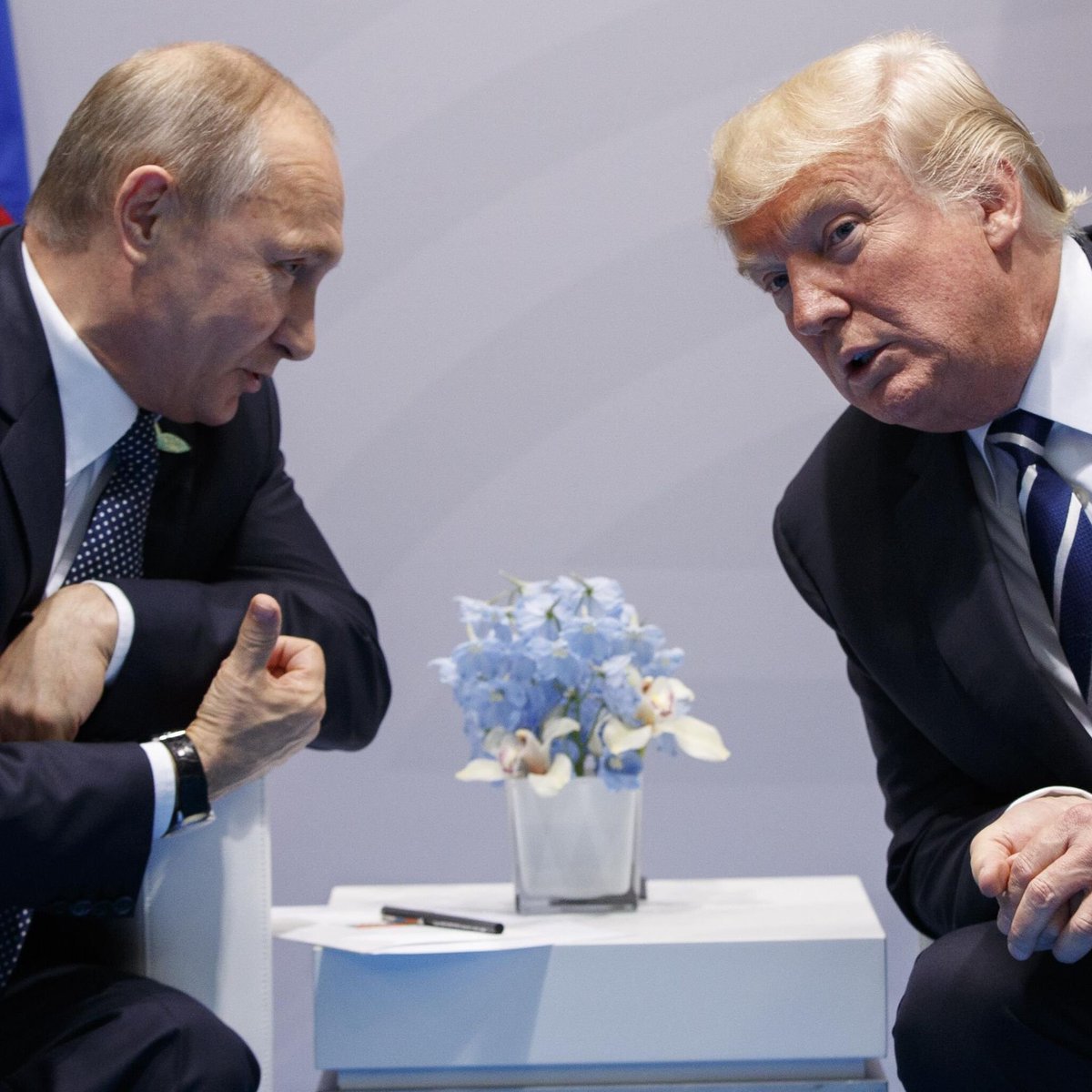
The Kremlin reported on October 10 that President Putin coordinated with Iran regarding a potential diplomatic solution and conveyed Tehran's views to U.S. President Trump. The statement, released via the Kremlin's official channels, did not specify the nature of the proposed solution or the particular regional issues under discussion. The announcement was made in Moscow and represents a public acknowledgment of Russia-Iran coordination on matters involving U.S. engagement.
Context and assessment
This diplomatic statement emerges amid intense military activity and prior diplomatic overtures from Moscow. On the same day, Putin reportedly ordered advances toward Zaporizhzhia and the Dnipro river despite eastern frontline challenges. Hours earlier, the Kremlin had announced an imminent Putin-Trump telephone conversation and claimed Ukrainian attacks on election day warranted reconsidering negotiation timelines. Ukraine conducted a large-scale drone strike on Moscow on October 9, forcing presidential aircraft to divert. The timing suggests Russia is attempting to position itself as a diplomatic bridge between Iran and the United States while maintaining military pressure, possibly to influence potential negotiations.
Sources and confidence
Reported by X (@ConflictTR), a single source citing Kremlin statements. No independent cross-confirmation is noted. Confidence is moderate (6.0/10) because the information originates directly from official Russian channels rather than independent verification, though the Kremlin's own statements are generally reliably reported by conflict monitoring accounts. Confirmation from additional independent sources or direct Trump administration statements would increase confidence.
Location
Moscow, Russia, determined at settlement precision level. Moscow serves as the seat of the Russian government and the location from which the Kremlin issues official policy statements and coordinates state communications.
Related events nearby
- Putin reportedly orders Russian military to capture Zaporizhzhia city and advance to left bank of Dnipro river2026-10-10 09:11 UTC · Statement · Moscow, Russia
- Kremlin reports Putin told Trump that Ukrainian Armed Forces attacks on election day necessitate Moscow recons2026-10-09 21:33 UTC · Statement · Moscow, Russia
- Ukrainian forces conducted a large-scale drone strike on Moscow. Explosions reported in the Russian capital; d2026-10-09 13:37 UTC · UAS Strike · Moscow, Russia
- Kremlin spokesman announces that Putin and Trump will hold a telephone conversation in the near future, signal2026-10-09 12:54 UTC · Diplomacy · Moscow, Russia
- Ukrainian drone raid on Moscow forces Putin's aircraft to circle unable to land. Three Russian government airc2026-10-09 14:49 UTC · UAS Strike · Sheremetyevo International Airport, Moscow, Russia
▶ View this event on the live map

Intel Mapper aggregates open-source reports from monitored Telegram and X channels, geolocates them, cross-checks duplicates across sources and assigns a confidence score. Entries are updated as new confirmations arrive. Read how we verify events.