Saudi air defenses intercept Houthi ballistic missile targeting Riyadh
What happened
Saudi Arabia's military confirmed the interception and destruction of a ballistic missile fired by Houthi forces aimed at Riyadh on October 14, 2026, at 07:56 UTC. According to a military spokesman statement relayed via X, air defense systems successfully neutralized the threat. The Saudi military reported no impact or casualties resulting from the engagement.
Context and assessment
This interception follows an intense period of Houthi strikes on Saudi territory. On October 13, four missiles hit Riyadh airport, killing at least 18 people and injuring over 300—representing a significant escalation despite Saudi air defense capabilities. The same day, debris from two intercepted missiles injured four civilians, indicating that engagement success does not always prevent ground impact. Air raid sirens activated over Riyadh minutes before this October 14 interception, suggesting either continued detection of threats or overlapping missile arrivals. The Saudi Cabinet Council has warned of consequences for attacks on airports, holy cities, and maritime lanes, though strikes have continued. This incident may indicate either persistent Houthi capability to penetrate Saudi defenses or, alternatively, improved interception performance following recent losses.
Sources and confidence
Report sourced from X account @Osint613 citing Saudi military statement. Single-source reporting limits independent verification; no cross-confirmation from other major news outlets or additional Saudi government channels noted. Confidence score of 6.5/10 reflects official source credibility but lack of corroborating reports. Confirmation from Saudi Civil Defense or video evidence would strengthen confidence.
Location
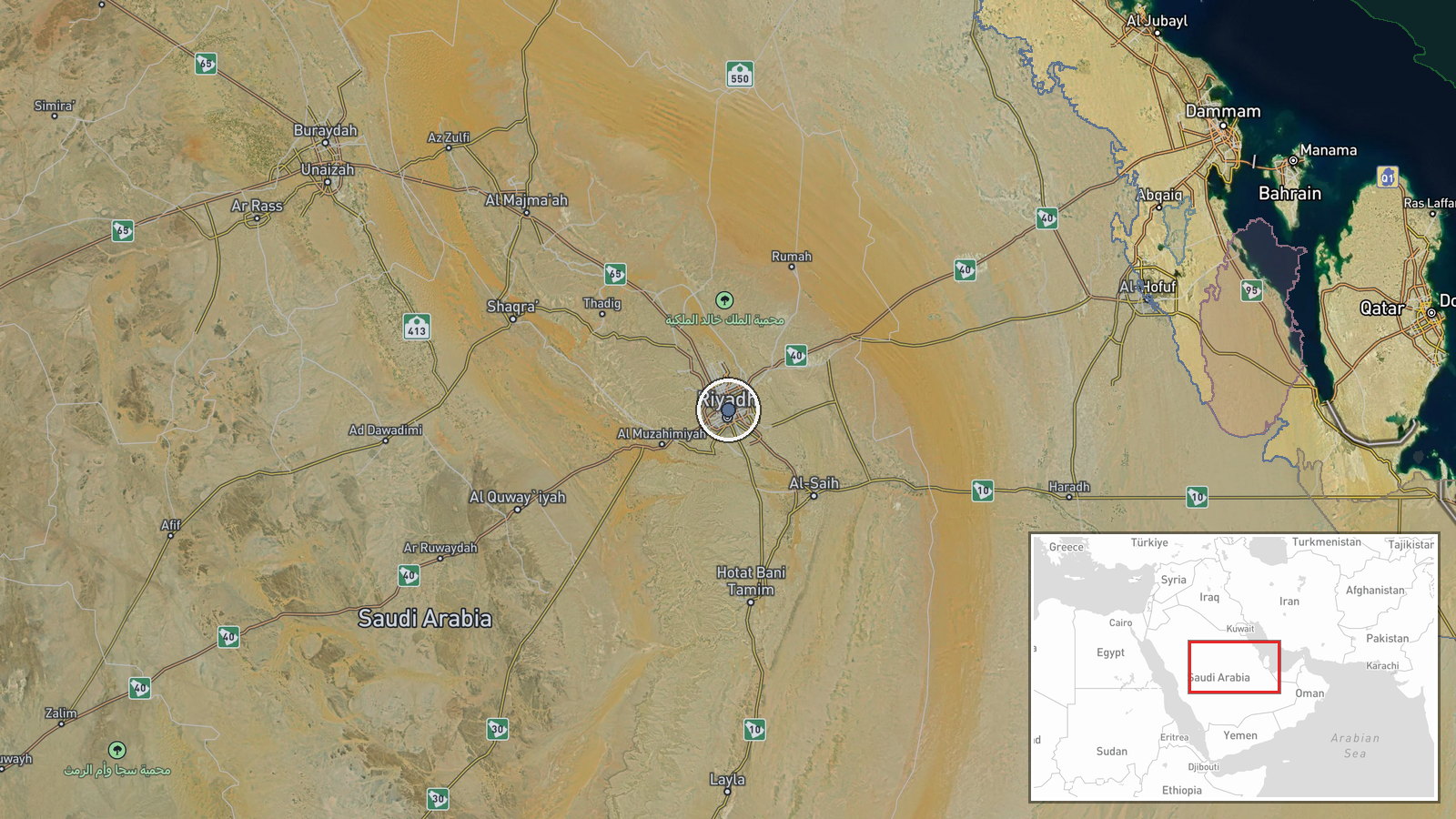
Riyadh, Saudi Arabia's capital, located at approximately 24.69°N, 46.72°E in central Saudi Arabia. The city is the kingdom's largest metropolitan area and primary political and economic center. Riyadh airport lies southeast of the city center; precision to settlement-level based on reported target rather than specific facility coordinates.
Related events nearby
- Air raid sirens activated over Riyadh following reports of interceptions. Saudi air defenses responded to host2026-10-14 07:01 UTC · Siren · Riyadh, Saudi Arabia
- Four civilians injured in Riyadh after debris from two intercepted ballistic missiles fell. Saudi Civil Defens2026-10-13 22:40 UTC · Ballistic Missile · Riyadh, Saudi Arabia
- Saudi Arabia halted public warnings of imminent incoming attacks days before four strikes on Riyadh airport ki2026-10-13 18:45 UTC · Statement · Riyadh, Saudi Arabia
- Saudi Cabinet Council warns Houthis will face consequences for attacks on airports, Mecca, Medina, and shippin2026-10-13 15:38 UTC · Statement · Riyadh, Saudi Arabia
- Saudi-led coalition air defense successfully intercepted and destroyed three drones north of Riyadh. No detail2026-10-13 11:52 UTC · Air Defense · North of Riyadh, Saudi Arabia
▶ View this event on the live map

Intel Mapper aggregates open-source reports from monitored Telegram and X channels, geolocates them, cross-checks duplicates across sources and assigns a confidence score. Entries are updated as new confirmations arrive. Read how we verify events.