Ukraine sustains heavy drone defense; Russia targets deep infrastructure as Middle East diplomacy intensifies
Key developments
- Ukraine's air defense intercepted or suppressed 267 Russian drones during September 24-25 across nationwide operations, maintaining defensive posture despite sustained bombardment.
- Ukrainian unmanned strikes targeted Russian defense industrial facilities (Iskra Enterprise in Ulyanovsk, producing cruise missile guidance components) and energy infrastructure (Perm refinery, Voronezh chemical plant) deep in Russian territory.
- Ukrainian General Staff reported 236 combat engagements and 1,590 Russian casualties across all fronts on Day 1675 of the invasion, indicating sustained ground pressure.
- Saudi Arabia convened emergency trilateral military coordination with Turkey and Pakistan in Riyadh responding to Houthi threats under the Mecca Agreement framework.
- Syrian Petroleum Company announced resumption of fuel trade via port shipments toward Iraqi border, signaling partial economic normalization in Syria.
- Israeli friendly fire incident in Gaza killed two soldiers when a malfunctioning explosive drone struck own forces; Netanyahu's UN attendance triggered mass street protests in New York.
- Russian Foreign Minister Lavrov met Iranian counterpart Araghchi in Moscow, maintaining diplomatic engagement amid regional tensions.
Middle East 5 tracked events
Regional diplomatic activity accelerated on September 25th amid ongoing security pressures. Saudi Arabia convened an emergency meeting with Turkish and Pakistani general staff chiefs in Riyadh, coordinating responses to Houthi attacks under the Mecca Agreement framework—indicating sustained concern over Red Sea and regional security threats. Separately, Russian Foreign Minister Lavrov met with Iranian Foreign Minister Araghchi in Moscow, underscoring continued Moscow-Tehran bilateral engagement. These diplomatic initiatives suggest effort to maintain coalition cohesion and coordinate responses across traditional alliance structures, though the meetings' specific outcomes remain undisclosed.
Syrian economic activity showed signs of resumed normalcy as the Syrian Petroleum Company announced initial gasoline shipments departing via Syrian ports toward Iraqi border crossings, marking a resumption of fuel trade after prior disruptions. This development indicates partial restoration of commercial supply chains and cross-border economic activity, though broader Syrian reconstruction remains constrained. The resumption of petroleum trade may reflect both international sanctions relief efforts and normalization of intra-regional commerce, though sustainability depends on broader political and security stabilization.
Israeli operational challenges emerged with a friendly fire incident in Gaza where an Israeli explosive-laden drone malfunctioned and struck an Israeli military position near Sderot, killing two Israeli soldiers. Concurrently, Prime Minister Netanyahu's arrival at the UN General Assembly prompted mass street protests in New York with thousands mobilizing against his attendance. These developments—one reflecting tactical operational risk and the other domestic and international political opposition—indicate mounting pressure on Israeli leadership across multiple dimensions.
- Israeli Prime Minister Netanyahu's arrival at the UN General Assembly prompted mass protests in New York stree
- Syrian Petroleum Company director announces first gasoline shipments departing via Syrian ports toward Iraqi b
- Israeli explosive-laden drone malfunctioned and struck an Israeli military position in Gaza, killing two Israe
- Saudi Arabia convened emergency meeting with Turkish and Pakistani general staff chiefs following Houthi attac
- Russian Foreign Minister Lavrov met with Iranian Foreign Minister Araghchi. Bilateral diplomatic engagement be
Ukraine 15 tracked events
Ukrainian air defense systems sustained intense pressure during the 24-hour reporting period, intercepting or suppressing 267 enemy drones classified as Shahed, Gerbera, and decoy variants launched from multiple Russian staging areas including Oryol, Kursk, and Milllerovo. The scale of interceptions reflects Russia's continued reliance on attrition-based drone campaigns against Ukrainian air space and populated areas. Ground engagements remained active with 236 combat engagements recorded across all fronts and reported 1,590 Russian casualties according to Ukrainian General Staff operational reporting for Day 1675 of the conflict. The persistence of high-intensity ground operations alongside sustained drone attacks indicates continuation of Russia's multi-axis pressure strategy.
Ukrainian unmanned systems conducted multiple strikes against Russian strategic infrastructure including the Iskra Enterprise defense facility in Ulyanovsk (producing guidance components for Kh-59M2/M2A cruise missiles), the Lukoil Perm Oil Refinery, the Voronezh Synthesis Rubber Plant, and the Permafinery in Perm. These strikes targeted critical nodes in Russian defense industrial production and energy infrastructure. Ukrainian operations also hit civilian commercial facilities in occupied territory, including the Stroytsentr shopping mall in Russian-held Luhansk. The breadth and geographic range of Ukrainian strikes—extending into Russia's interior regions—demonstrate continued Ukrainian capability to project force despite air defense challenges.
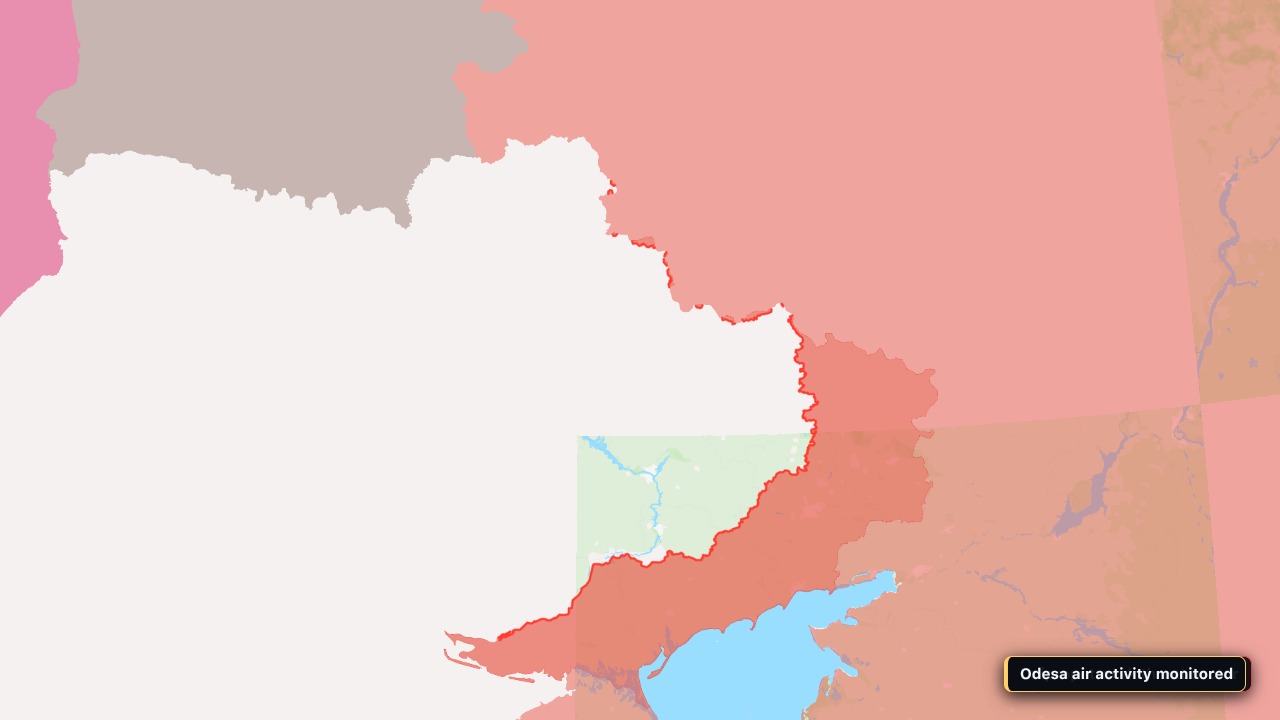
Russian drone operations maintained saturation-level targeting patterns across Ukrainian territory with confirmed transits of reactive Shahed-136 variant drones detected toward Dnipro, Kyiv, Slavutych, Odesa, and Kyiv Oblast. Air defense systems successfully intercepted ballistic missile threats over Kyiv region during the reporting period. Ukrainian air monitoring systems issued alert warnings of potential ballistic missile launches from Bryansk region. The combination of manned air defense activity, sustained drone targeting, and ballistic missile threats reflects Russia's continued commitment to degrading Ukrainian air defense capability and civilian infrastructure through multi-platform attrition campaigns.
- Ukrainian General Staff operational report for Day 1675 of Russian invasion (Sept 24-25, 2026). Reported 1,590
- Ukrainian air defense intercepted/suppressed 267 enemy drones (Shahed, Gerbera, decoy types) during night of S
- Ukrainian drone strike on Iskra Enterprise defense facility in Ulyanovsk, which manufactures guidance componen
- Ukrainian drone strike on Stroytsentr shopping mall in Russian-occupied Luhansk city during night hours. Civil
- Ukrainian drone strike on Permafinery (PNOS) refinery in Perm during night hours. Strategic energy infrastruct
- Ukrainian drone strike on Voronezh Synthesis Rubber Plant (Voronezhsintezkauchuk) industrial facility during n
What to watch
Monitor Ukrainian air defense sustainability as Russian drone attack tempos remain elevated; track whether Syrian fuel trade resumption expands or faces disruption. In Middle East, observe whether Saudi-Turkish-Pakistani coordination produces concrete operational responses to Houthi activities. Watch for Russian escalation in response to Ukrainian deep strikes on defense industrial facilities. Track Netanyahu's UN General Assembly statements and any diplomatic outcomes. Monitor potential shifts in Moscow-Tehran coordination, particularly regarding proxy activities and weapons transfers. Assess whether mass protests affect Israeli political dynamics domestically or internationally.