Russian forces gain ~6 km² in Shakhove sector; no settlements captured
What happened
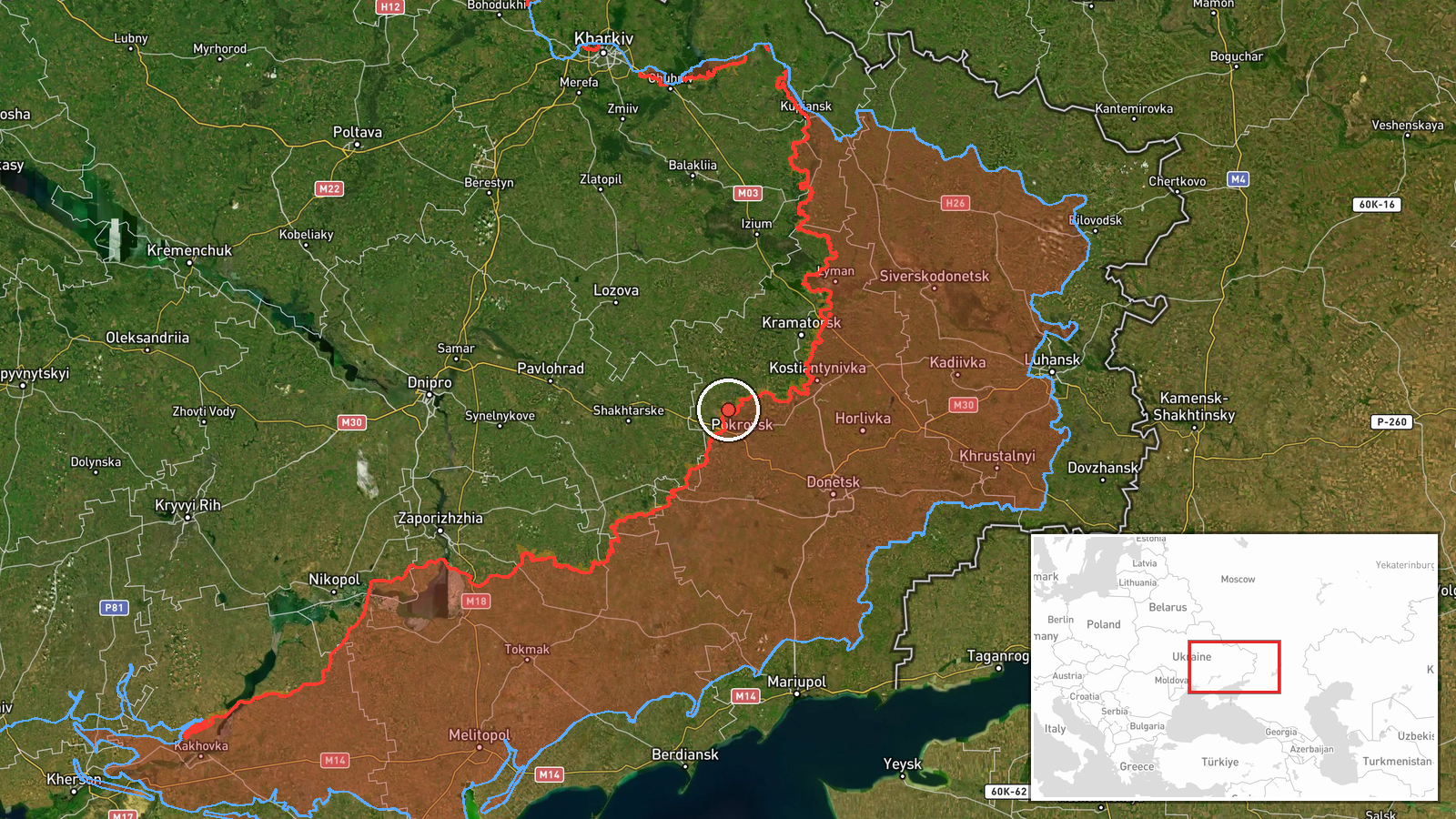
Russian forces advanced approximately 6 square kilometers in the Shakhove sector of Donetsk Oblast on 13 October, according to a frontline update from DeepStateMAP. The report indicates territorial gains but notes that no settlement center changed hands during this phase of operations. The advance represents incremental progress in an area of active ground combat along the eastern front.
Context and assessment
The Shakhove sector lies in the contested Donetsk region where Russian and Ukrainian forces have engaged in grinding positional warfare for months. Territorial gains in this area, while measured in square kilometers rather than major population centers, reflect the attritional nature of current operations along this portion of the front. Related reporting from 13 October shows Ukrainian forces conducting strikes against Russian personnel concentrations near Selidove and other locations in the same general area, suggesting intense localized combat activity. The advance may indicate Russian pressure on Ukrainian defensive positions, though without accompanying casualty or equipment loss data, the operational significance remains unclear.
Sources and confidence
The report originates solely from DeepStateMAP, a Ukrainian-affiliated crowdsourced frontline mapping project. No cross-confirmation from independent international sources or Russian reporting has been noted. The confidence score of 7.5 reflects the single-source nature of the report, though DeepStateMAP maintains generally reliable terrain mapping. Confirmation from satellite imagery or multiple independent channels would strengthen confidence.
Location
The Shakhove sector is located in eastern Donetsk Oblast near coordinates 48.40°N, 37.08°E. The sector designation indicates a broader region rather than a specific settlement, reflecting the fluid frontline geography. The area falls within the heavily contested territory between Russian-held and Ukrainian-controlled zones in the Donbas region.
Related events nearby
- Russian forces advanced (~6 km²) in the Shakhove sector per DeepState frontline update. No settlement center c2026-10-13 18:20 UTC · Combat · Shakhove sector, Ukraine
- Ukrainian forces struck enemy personnel concentrations near Selidove, Rozdolne, Suzhky, and Myrnohrad in Donet2026-10-13 08:40 UTC · UAS Strike · Selidove, Donetsk Oblast, Ukraine
- Ukrainian air monitoring: 1 Russian jet-powered Shahed (Geran-3) drone passing Lazurnyi, heading west.2026-10-13 16:49 UTC · Drone Transit · Lazurnyi, Ukraine
- Ukrainian air monitoring: 1 Russian jet-powered Shahed (Geran-3) drone heading toward Kalynivskyi; 1 Russian j2026-10-13 19:07 UTC · Drone Transit · Kalynivskyi, Ukraine
- Russian sniper with SVD Dragunov rifle destroyed an enemy FPV drone with a single shot during active combat op2026-10-12 20:00 UTC · UAS Strike · Near Yampil', Donetsk, frontline sector (front lin
▶ View this event on the live map

Intel Mapper aggregates open-source reports from monitored Telegram and X channels, geolocates them, cross-checks duplicates across sources and assigns a confidence score. Entries are updated as new confirmations arrive. Read how we verify events.