Ukraine strikes Russian drone facility, command posts and radar across four regions
What happened
Ukrainian defence forces reported striking multiple Russian military targets on September 3-4, 2026. According to the General Staff, strikes hit a drone storage, preparation and launch facility near Donetsk city; command posts in Fedorivka (Donetsk) and Petrivka (Kharkiv); a radar station in Bobriku (Bryansk); reconnaissance posts in Suvorove and Risove (Crimea); a MESH network retransmitter in Gustomaya (Kursk); and a fuel storage base in Rovenky (Luhansk).
Context and assessment
The strikes span four Russian regions plus occupied territories, suggesting sustained Ukrainian long-range strike capability. Targeting command posts, radar, and communications infrastructure reflects ongoing efforts to degrade Russian operational coordination and reconnaissance networks. The reported hit on a drone launch facility indicates Ukrainian focus on countering Russian unmanned systems, which have been a recurring threat throughout the conflict. The breadth of targets—from Crimea to Bryansk—implies either multiple platforms in operation or coordinated multi-vector strikes. Such operations have become regular Ukrainian practice, typically announced via official channels to demonstrate persistent reach and operational tempo.
Sources and confidence
Single source: General Staff of the Armed Forces of Ukraine via Telegram. No independent cross-confirmation reported. Confidence score (8.0) reflects official Ukrainian military reporting channel, though lack of secondary verification and absence of visible damage assessment imagery limit certainty. Third-party confirmation or satellite imagery would raise confidence; contradictory Russian statements would lower it.
Location
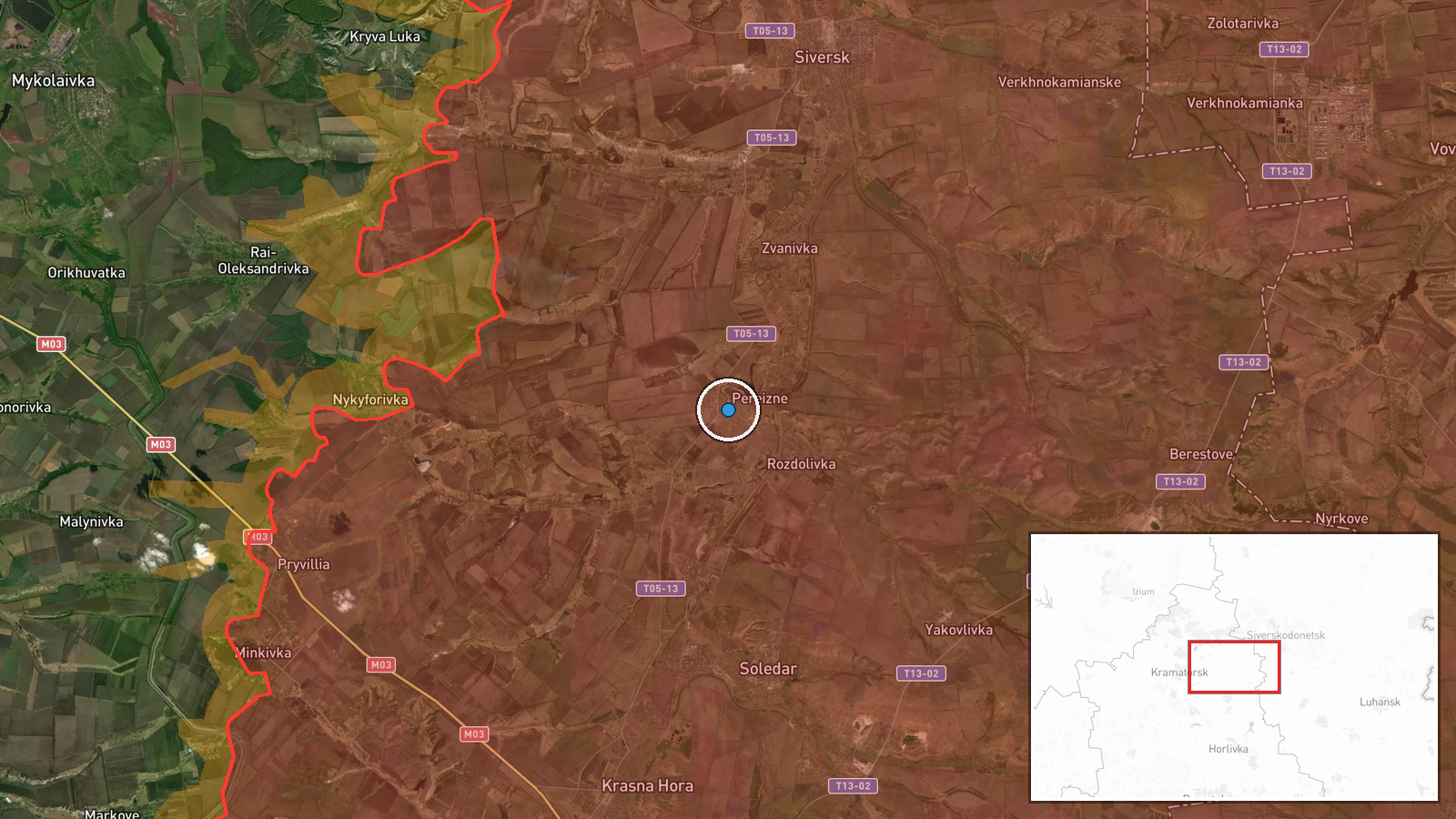
Multiple sites across occupied and Russian territory: Donetsk region (drone facility near Donetsk city), Fedorivka and Petrivka in Donetsk and Kharkiv respectively, Bobriku in Bryansk, Suvorove and Risove in Crimea, Gustomaya in Kursk, and Rovenky in Luhansk. Targets span Russian rear areas and occupied Ukraine.
Related events nearby
- Ukrainian Armed Forces struck a Russian repair/maintenance facility in Sokologirsk, Luhansk Oblast, on 4 Septe2026-09-05 08:09 UTC · UAS Strike · Sorokove, Luhansk Oblast, Ukraine
- Russian forces conducted 207 combat engagements across Ukraine's eastern front on 4 September 2026. 59 airstri2026-09-04 19:02 UTC · Combat · Pokrovsk, Donetsk Oblast, Ukraine
- One Russian reactive (jet-powered) Shahed-variant kamikaze drone detected transiting from Dobroslav toward Zho2026-09-04 23:11 UTC · Drone Transit · Zhovte, Odesa Oblast, Ukraine
- Brazilian military contractor fighting on Russian side records video of tank passing over his position in gras2026-09-05 05:46 UTC · Combat · Kupiansk, Kharkiv Oblast, Ukraine or Pokrovsk, Don
- Four Russian Geran-2 (Shahed-136) kamikaze drones detected transiting through Balakliia sector, Kharkiv Oblast2026-09-04 22:45 UTC · Drone Transit · Balakliia, Kharkiv Oblast, Ukraine
▶ View this event on the live map
Intel Mapper aggregates open-source reports from monitored Telegram and X channels, geolocates them, cross-checks duplicates across sources and assigns a confidence score. Entries are updated as new confirmations arrive. Read how we verify events.