Ukraine reports 22 combat clashes on South Slobozhansky axis by 22:00 on 16 October
What happened
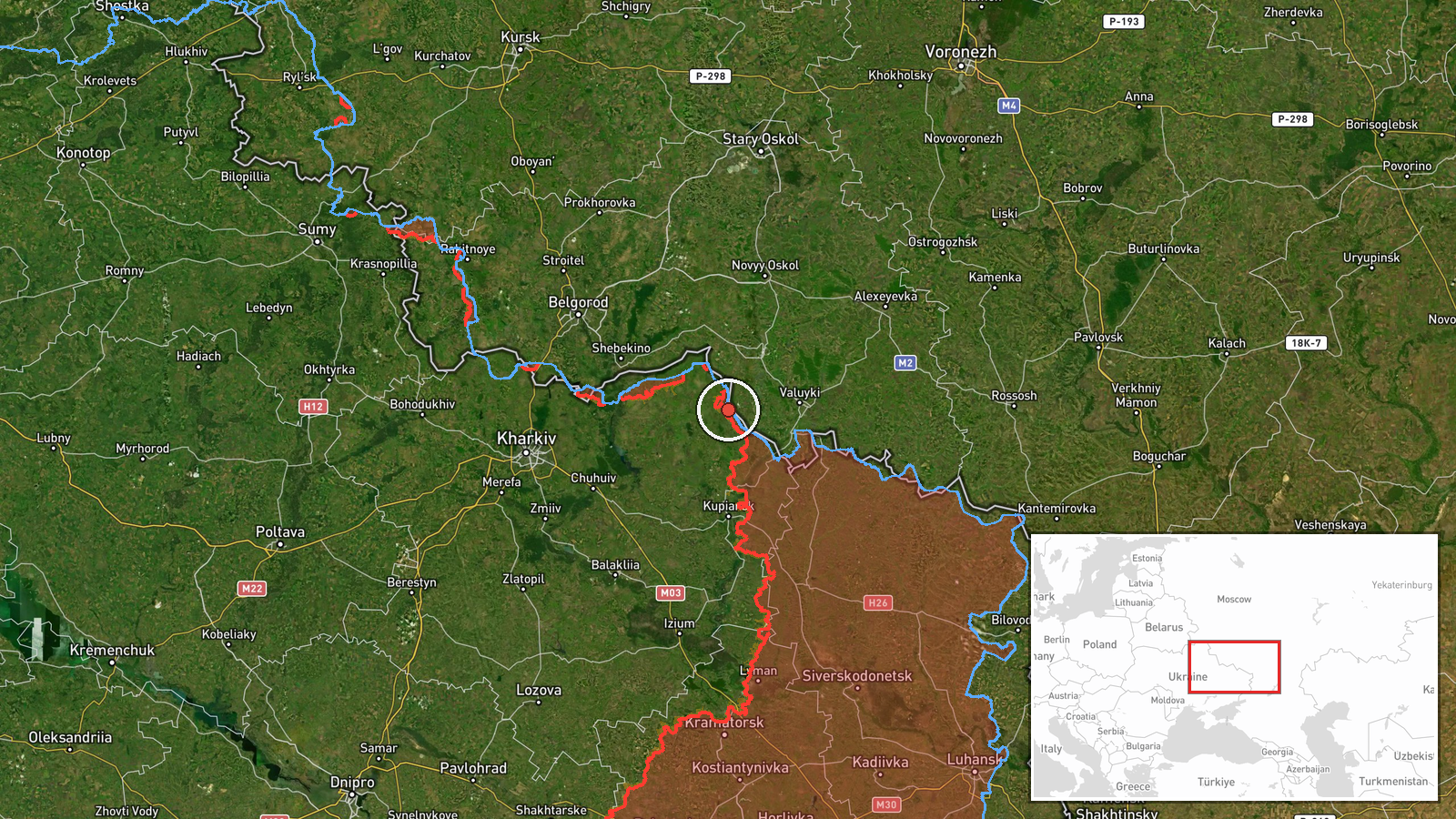
Ukraine's General Staff reported on Telegram that, as of 22:00 on 16 October 2026, Ukrainian forces had recorded 22 combat clashes on the South Slobozhansky axis near Starytsia, Mala Vovcha, Chuhunivka and Radkivka, with three still ongoing at the time of the update. The original Ukrainian wording gives the figure as 22 'бойові зіткнення' (combat clashes) and does not say which side initiated each engagement, although the event is attributed to Russia. The report gives no casualty figures, equipment losses or assessments of territorial change. The post was timestamped 19:01 UTC. The map pin sits on Chuhunivka because the report names several villages in one sector rather than a single point of contact.
Context and assessment
The South Slobozhansky axis lies in the northeast of Kharkiv Oblast, close to the Russian border, and has been a recurring focus of ground fighting since 2022. Related reporting from the same morning described 22 Russian attacks near Starytsia, Izbytske, Chuhunivka, Buzove and Radkivka, which suggests that the General Staff is publishing running tallies for the same villages rather than describing a new surge. A separate clash near Kupiansk, further east on the Kupiansk axis, was reported as repelled as of the same hour, indicating pressure along more than one sector at once. Air-monitoring entries from the same day add another layer: a drone transit crossing eastern Kharkiv Oblast early in the day, followed by reports of Banderol mini cruise missiles heading toward Kharkiv city in the evening. Taken together, these reports may indicate that ground probing in border villages is being paired with long-range strike activity against the regional center. That reading is tentative, since the entries come from different monitoring channels and do not show a shared target or a confirmed link between them.
Sources and confidence
The only source for this clash count is the Telegram channel @GeneralStaffZSU, which is the official Ukrainian General Staff account and carries significant weight, but it remains a single channel with no independent corroboration in the dataset. The confidence score of 8.0 reflects that official origin and the specific timestamp, offset by the absence of a second source and the fact that the report does not describe the engagements in detail. Confidence would rise with confirmation from an independent monitor, local Kharkiv officials, or geolocated imagery of the named villages. It would fall if later updates revised the count or if the related morning tally proved to be the same engagements being repeated.
Location
The pin is placed at the settlement level on Chuhunivka, Kharkiv Oblast, rather than at a specific facility or front position, because the report names four or more villages and the coordinates are not tied to any single location in the text. The area is rural, with open farmland, small villages and tree lines typical of the northeastern Kharkiv countryside. The Vovcha river valley runs through the broader sector, and Kharkiv city lies to the south-west, with the international border to the north. Villages in this stretch are close enough together that an approximate pin may sit within a few kilometers of the actual engagements.
Related events nearby
- Ukrainian air monitoring: 2+ Russian jet-powered Shahed (Geran-3) drones passing eastern Kharkiv Oblast, headi2026-10-16 04:55 UTC · Drone Transit · eastern Kharkiv Oblast, Ukraine
- Ukrainian Defense Forces repelled one Russian attempt to advance near Kupiansk on the Kupiansk axis, as of 22:2026-10-16 19:02 UTC · Combat · Kupiansk, Kharkiv, Ukraine
- Ukrainian units repelled 22 Russian attacks near Starytsia, Izbytske, Chuhunivka, Buzove and Radkivka in the S2026-10-16 05:04 UTC · Combat · Starytsia, Kharkiv Oblast, Ukraine
- Ukrainian air monitoring: 2+ Russian Banderol mini cruise missiles heading toward Kharkiv.2026-10-16 19:22 UTC · Cruise Missile · Kharkiv, Ukraine
- Ukrainian air monitoring: 1 Russian Banderol mini cruise missile heading toward Kharkiv.2026-10-16 19:17 UTC · Cruise Missile · Kharkiv, Ukraine
▶ View this event on the live map

Intel Mapper aggregates open-source reports from monitored Telegram and X channels, geolocates them, cross-checks duplicates across sources and assigns a confidence score. Entries are updated as new confirmations arrive. Read how we verify events.