Ukrainian monitors report Shahed-type drone inbound toward Kharkiv from north
What happened
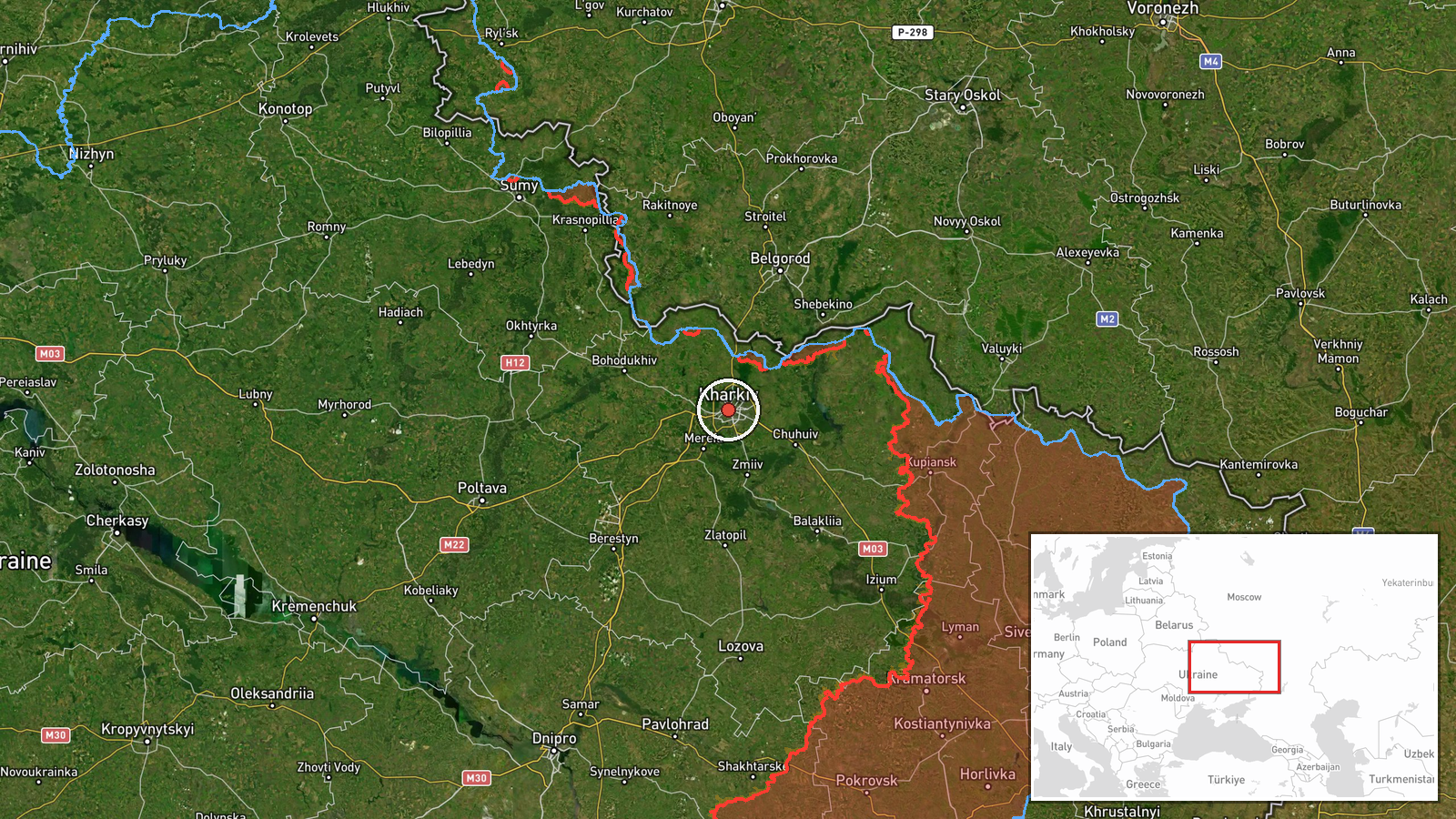
Ukrainian air defense monitoring reported a single Russian Shahed-type unmanned aerial vehicle transiting toward Kharkiv city from the north on October 15 at 01:55 UTC. The report was issued via Telegram by the Kyiv Post Special Operations Force account (@kpszsu). No impact or interception details were provided in the initial alert. The sighting occurred within a broader pattern of Russian drone activity across northeastern Ukraine that same night.
Context and assessment
Kharkiv, Ukraine's second-largest city and regional capital, remains a frequent target of Russian strikes despite being located roughly 40 kilometers from the active front line. A missile strike on a residential building in Kharkiv had been reported just hours earlier on October 14 evening. The October 15 drone transit follows a sustained campaign of Russian unmanned and conventional attacks on the city's civilian and infrastructure targets. Multiple Shahed drones were observed transiting the broader region simultaneously, including activity detected near Okhtyrka and Kolomak. Such coordinated drone operations typically indicate a deliberate targeting effort rather than isolated incursions.
Sources and confidence
Single-source report via Telegram channel @kpszsu, an official Ukrainian air monitoring account. No cross-confirmation from alternative sources or Ukrainian official statements in the event record. Confidence score of 8.0 reflects the credibility of the source channel against the absence of independent verification. Confirmation of impact, interception, or arrival would strengthen confidence; details on drone origin or intended target would refine the assessment.
Location
Kharkiv city proper, located in northeastern Ukraine approximately 40 kilometers south of the Russian border. The geographic precision is set to settlement level (49.99°N, 36.23°E). The city sits on the Kharkiv River and serves as the administrative and economic center of Kharkiv Oblast, making it a priority objective for Russian targeting operations.
Related events nearby
- Russian missile strike on a residential building in Kharkiv. A civilian filmed the moment of impact inside the2026-10-14 19:01 UTC · Ballistic Missile · Kharkiv, Kharkiv Oblast, Ukraine
- Ukrainian air monitoring: 12 Russian Shahed-type drones passing Bohodukhiv, heading toward Kolomak.2026-10-14 13:02 UTC · Drone Transit · Kolomak, Ukraine
- Ukrainian air monitoring: 1 Russian jet-powered Shahed (Geran-3) drone from Sumy Oblast toward Okhtyrka.2026-10-15 01:53 UTC · Drone Transit · Okhtyrka, Ukraine
- Zelena Dolyna reported liberated by Ukrainian forces (per DeepStateMAP frontline update).2026-10-14 12:20 UTC · Capture · Zelena Dolyna
- Ukrainian forces regained ground (~89 km²) in the Zelena Dolyna sector per DeepState frontline update. No sett2026-10-14 12:20 UTC · Combat · Zelena Dolyna sector, Ukraine
▶ View this event on the live map

Intel Mapper aggregates open-source reports from monitored Telegram and X channels, geolocates them, cross-checks duplicates across sources and assigns a confidence score. Entries are updated as new confirmations arrive. Read how we verify events.