Russian Geran-3 drone detected transiting Kirovohrad Oblast toward Vinnytsia
What happened
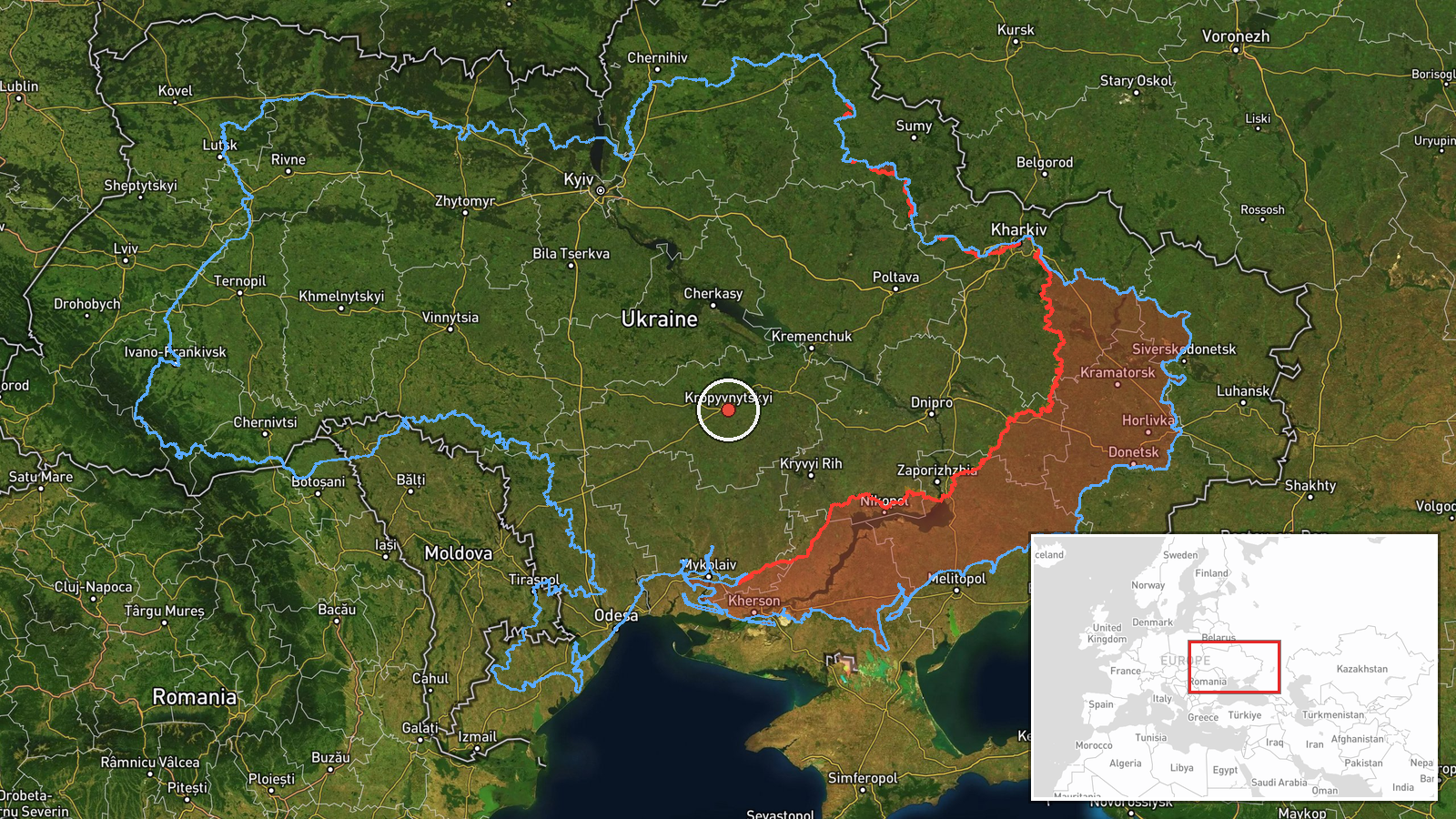
Ukrainian air monitoring detected one Russian jet-powered Shahed-type drone (Geran-3) over Kirovohrad Oblast on the morning of 15 October, reportedly heading toward Vinnytsia Oblast. The report was published by the official Telegram channel of Ukraine's air force command. The detection occurred during a broader pattern of Russian drone activity across central Ukraine, following a large overnight strike.
Context and assessment
Kirovohrad Oblast sits in central Ukraine and has been a regular transit corridor and occasional target zone for Russian air strikes. The detection fits into a sustained campaign of drone strikes that included at least 536 drones and cruise missiles launched over the night of 14–15 October. Earlier reports on 14 October documented Shahed-type drones and Banderol cruise missiles over nearby Oleksandriya. The Geran-3 (an upgraded Shahed variant) represents Russia's use of longer-endurance, jet-powered attack drones capable of penetrating deeper into Ukrainian airspace. This transit likely indicates targeting of infrastructure or military assets in Vinnytsia Oblast.
Sources and confidence
Single source: Telegram channel @kpszsu (official Ukrainian air force monitoring account). No corroborating independent reports in the provided data. Confidence score of 8.0 reflects the official status of the source but lack of cross-confirmation. Score would rise with additional independent detection reports or air defense engagement confirmation; would lower if Ukrainian air defenses reported successful interception without independent verification.
Location
Kirovohrad Oblast, central Ukraine. Precision is regional rather than point-specific. The notation 'н.п.Теплик' (settlement of Teplyk) suggests the drone passed near or over this locality in the oblast. Kirovohrad lies northwest of the Russian-controlled Zaporizhzhia region, making it a natural transit zone for Russian drones heading toward western Ukrainian population centers and industrial infrastructure.
Related events nearby
- Ukrainian air monitoring: 1 Russian jet-powered Shahed (Geran-3) drone passing Kirovohrad Oblast, heading nort2026-10-15 01:55 UTC · Drone Transit · Kirovohrad Oblast, Ukraine
- Air raid alert issued for Kropivnytskyi and Oleksandriia sectors in central Ukraine. Civilian population advis2026-10-14 19:21 UTC · Siren · Kropivnytskyi to Oleksandriia sector, Kirovohrad O
- Ukrainian air defenses downed/suppressed 536 Russian Shahed-type drones, Geran drones, and decoy drones from n2026-10-15 05:03 UTC · Air Defense · Ukraine
- Ukrainian air monitoring: 1 Russian Shahed-type drone passing Bohodukhiv, heading toward Oleksandriya.2026-10-14 14:49 UTC · Drone Transit · Oleksandriya, Ukraine
- Ukrainian air monitoring: 3 Russian Shahed-type drones over Oleksandriya; 3 Russian Banderol mini cruise missi2026-10-14 13:02 UTC · Cruise Missile · Oleksandriya, Ukraine
▶ View this event on the live map

Intel Mapper aggregates open-source reports from monitored Telegram and X channels, geolocates them, cross-checks duplicates across sources and assigns a confidence score. Entries are updated as new confirmations arrive. Read how we verify events.