Russian Shahed drones tracked toward Tomashpil in Vinnytsia Oblast
What happened
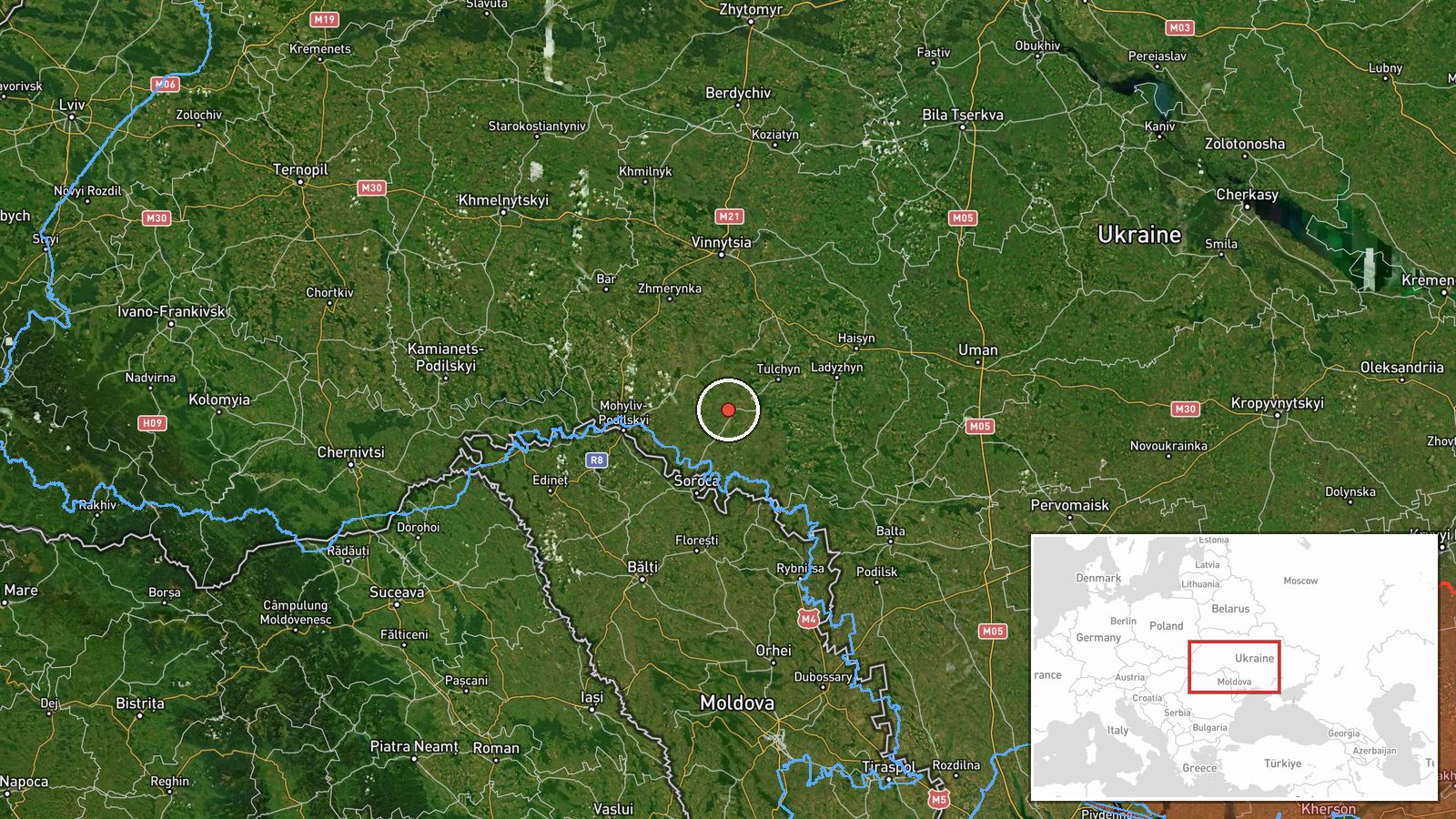
Ukrainian air monitoring reported two or more Russian jet-powered Shahed (Geran-3) drones in transit toward Tomashpil in Vinnytsia Oblast on October 15 at 11:49 UTC. The report was published by the Telegram channel of the Ukrainian Air Force Command. The drones were tracked over the settlement itself, indicating either a transit route or targeting approach to the area.
Context and assessment
Tomashpil lies in central Vinnytsia Oblast, a region that has faced sustained Russian drone operations throughout 2026. On the same day, Ukrainian air monitoring detected multiple additional Shahed transits across the oblast, including near Tulchyn, Sharhorod, Ladyzhyn, and Tyvriv. This pattern suggests a coordinated or serial attack wave targeting infrastructure across the region. Shahed drones, known for loitering and precision strike capability, are typically employed against power plants, transport links, and military installations. The concentration of sightings within a few hours indicates either a concentrated campaign or multiple salvos from Russian launch sites.
Sources and confidence
Single source: Telegram channel @kpszsu (Ukrainian Air Force Command). No cross-confirmation from independent channels reported. Confidence score of 8.0 reflects the official Ukrainian air monitoring attribution and corroboration by similar reports from the same monitoring service across nearby locations on the same date. Score would rise with reports from other Ukrainian or Western intelligence sources; it would lower if the drones were subsequently identified as friendly or if sightings were retracted.
Location
Tomashpil is a settlement in central Vinnytsia Oblast, approximately 200 kilometers southwest of Kyiv. The settlement lies in agricultural terrain between the Buh and Southern Buh river valleys. Nearby towns include Tulchyn to the southeast and Sharhorod to the northwest. Precision is high, determined by named settlement identification in the Ukrainian air monitoring report.
Related events nearby
- Ukrainian air monitoring: 1 Russian jet-powered Shahed (Geran-3) drone from Vinnytsia Oblast toward Tulchyn.2026-10-15 09:29 UTC · Drone Transit · Tulchyn, Ukraine
- Ukrainian air monitoring: 2+ Russian jet-powered Shahed (Geran-3) drones heading toward Sharhorod.2026-10-15 11:54 UTC · Drone Transit · Sharhorod, Ukraine
- Ukrainian air monitoring: 1 Russian jet-powered Shahed (Geran-3) drone from Vinnytsia Oblast toward Tyvriv.2026-10-15 02:22 UTC · Drone Transit · Tyvriv, Ukraine
- Ukrainian air monitoring: 1 Russian jet-powered Shahed (Geran-3) drone over Ladyzhyn.2026-10-15 09:05 UTC · Drone Transit · Ladyzhyn, Ukraine
- Ukrainian air monitoring: 1 Russian jet-powered Shahed (Geran-3) drone from Vinnytsia Oblast toward Voronovyts2026-10-15 02:16 UTC · Drone Transit · Voronovytsya, Ukraine
▶ View this event on the live map

Intel Mapper aggregates open-source reports from monitored Telegram and X channels, geolocates them, cross-checks duplicates across sources and assigns a confidence score. Entries are updated as new confirmations arrive. Read how we verify events.