Russian Shahed drone reported transiting toward Khmelnytskyi city
What happened
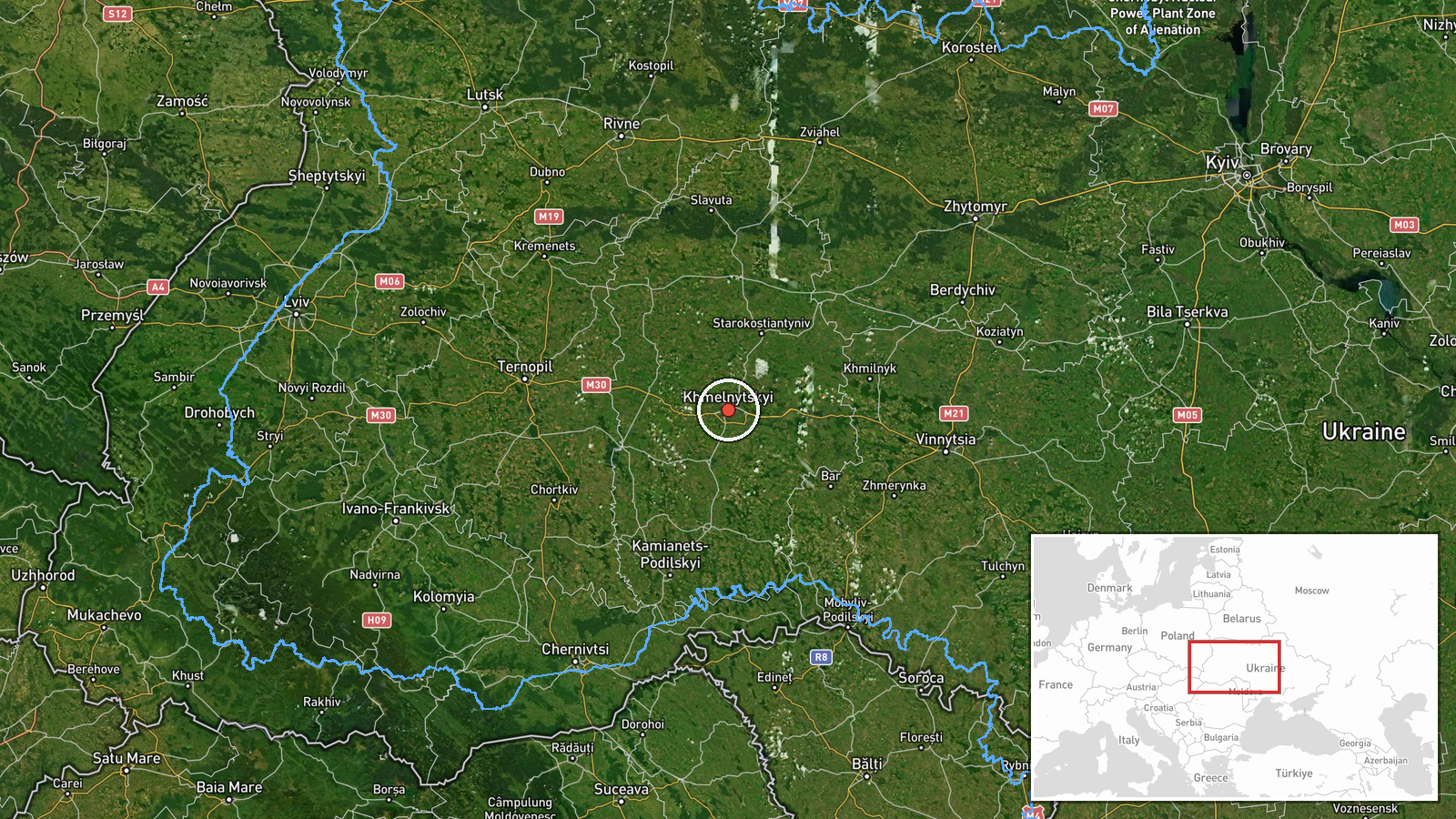
Ukrainian air monitoring reported a single Russian jet-powered Shahed (Geran-3) drone heading toward Khmelnytskyi city on the afternoon of October 15, 2026. The report was posted by the Khmelnytskyi City Military Administration via Telegram at 16:04 UTC. The Shahed-136/Geran-3 is a loitering munition designed for strike missions against ground targets. The drone's exact trajectory, intended target, and whether it reached its destination remain unclear from the alert alone.
Context and assessment
Khmelnytskyi lies in western Ukraine approximately 330 kilometers from Russian territory, making it a regular target for long-range Russian drone strikes. The city hosts military and administrative infrastructure. On October 15 alone, Ukrainian monitors detected multiple Shahed transits across the region—at least four separate incidents targeting or passing through Khmelnytskyi Oblast and nearby settlements (Bar, Liubar) between 09:27 and 16:04 UTC. This pattern suggests a coordinated Russian drone campaign across western Ukraine that day. Such sustained strikes may indicate an attempt to degrade Ukrainian command structures, logistics, or civilian morale in a region distant from active ground combat.
Sources and confidence
Reported by Khmelnytskyi City Military Administration (@kpszsu) on Telegram. Single source; cross-confirmation with related drone transits the same day and region supports plausibility but not this specific event. Confidence 8.0 reflects typical reliability of Ukrainian official air-monitoring channels but absence of independent verification. Confirmation via air-defense engagement reports or damage assessments would raise confidence.
Location
Khmelnytskyi city, Khmelnytskyi Oblast, western Ukraine (49.42°N, 26.98°E). Regional hub on the Southern Buh river, approximately 330 km southwest of Moscow. Located west of the Dnieper and roughly equidistant from the Polish and Romanian borders. Civilian and military infrastructure present. Geo precision: settlement-level.
Related events nearby
- Ukrainian air monitoring: 1 Russian Shahed-type drone passing Pivdennyi, heading toward Khmelnytskyi Oblast.2026-10-15 16:59 UTC · Drone Transit · Khmelnytskyi Oblast, Ukraine
- Ukrainian air monitoring: 1 Russian jet-powered Shahed (Geran-3) drone heading toward Khmelnytskyi Oblast.2026-10-15 12:27 UTC · Drone Transit · Khmelnytskyi Oblast, Ukraine
- Ukrainian air monitoring: 1 Russian jet-powered Shahed (Geran-3) drone heading toward Khmelnytskyi Oblast.2026-10-15 12:10 UTC · Drone Transit · Khmelnytskyi Oblast, Ukraine
- Ukrainian air monitoring: 1 Russian jet-powered Shahed (Geran-3) drone from Vinnytsia Oblast toward Khmelnytsk2026-10-15 09:49 UTC · Drone Transit · Khmelnytskyi Oblast, Ukraine
- Ukrainian air monitoring: 1 Russian jet-powered Shahed (Geran-3) drone from Khmelnytskyi Oblast toward Dunayiv2026-10-15 16:37 UTC · Drone Transit · Dunayivtsi, Ukraine
▶ View this event on the live map

Intel Mapper aggregates open-source reports from monitored Telegram and X channels, geolocates them, cross-checks duplicates across sources and assigns a confidence score. Entries are updated as new confirmations arrive. Read how we verify events.