Ukrainian air defense tracks 3 Russian reactive drones transiting toward Dnipro and central regions
What happened
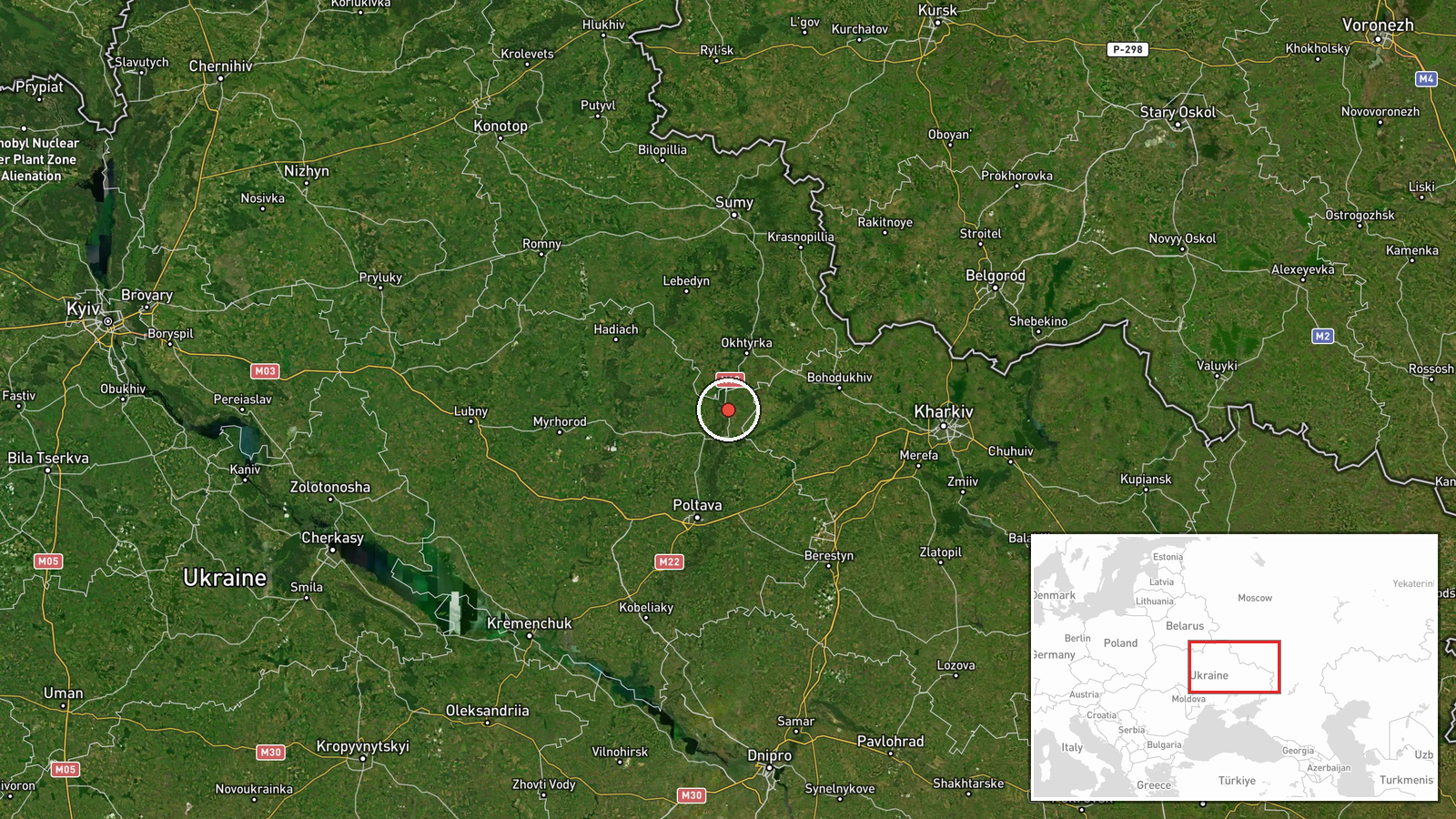
Ukrainian air defense monitoring reportedly detected three Russian jet-powered kamikaze drones in transit on 1 September at approximately 16:30 UTC. Two reactive drones originated from Tsarychanka in Poltava Oblast and were heading toward Dnipro city; a third reactive drone was tracked from the Kotelva sector. No strikes or air defense engagements were reported at the time of detection. The drones remained in transit status when the alert was issued.
Context and assessment
The detection reflects sustained Russian use of jet-powered Shahed-variant drones against Ukrainian population centers. Earlier on 1 September, Poltava city itself experienced a Shahed attack, and similar drone transits through Poltava Oblast toward Kyiv were logged that morning. Dnipro, located south of Poltava along major transit corridors, is a frequent target for Russian long-range strikes. The multiple launch points and northwestward trajectory suggest Russia continues distributed attack patterns designed to stress Ukrainian air defenses across a wide geographical area. Related events indicate concurrent Russian missile activity and Ukrainian counter-strikes on Russian logistics targets.
Sources and confidence
Single source: Telegram channel @war_monitor, which monitors Ukrainian air defense alerts. No cross-confirmation from official Ukrainian military channels or independent verification reported. Confidence score of 6/10 reflects single-source reporting and lack of strike confirmation. Score would increase with corroboration from Ukrainian General Staff or Kyiv regional military administration; would lower if subsequent reports contradict transit status or deny drone activity.
Location
Origin point Tsarychanka is a settlement in Poltava Oblast in central Ukraine, approximately 180 km northeast of Dnipro. Kotelva sector indicates a broader launching area in the same region. The northwestward trajectory toward Dnipro follows established Russian attack corridors through Ukrainian airspace. Latitude and longitude indicate precise settlement-level determination.
Related events nearby
- Russian Shahed-136 kamikaze drones attacked Poltava city. Air raid alerts issued; explosions reported. Part of2026-09-01 07:50 UTC · UAS Strike · Poltava, Poltava Oblast, Ukraine
- Signum Battalion (Ukraine) released footage of FPV kamikaze drone strikes against Russian targets. Specific im2026-09-01 13:45 UTC · UAS Strike · Poltava, Poltava Oblast, Ukraine
- Two Russian reactive (jet-powered) Shahed-variant kamikaze drones detected transiting from Donetsk northwestwa2026-09-01 04:51 UTC · Drone Transit · Poltava Oblast, Ukraine
- Three Russian Zircon hypersonic ballistic missiles detected transiting from Pryatin, Poltava Oblast toward Kyi2026-08-31 23:32 UTC · Ballistic Missile · En route: Pryatin, Poltava Oblast → Kyiv, Kyiv Cit
- Ukraine conducted a UAS strike on a Russian fuel and lubricants depot in Borisivka, Belgorod Oblast during the2026-09-01 07:12 UTC · UAS Strike · Borisivka, Belgorod Oblast, Russia
▶ View this event on the live map
Intel Mapper aggregates open-source reports from monitored Telegram and X channels, geolocates them, cross-checks duplicates across sources and assigns a confidence score. Entries are updated as new confirmations arrive. Read how we verify events.