Russia announces DF-3 Gadyuka anti-drone system capable of 15-20 kills per sortie
What happened
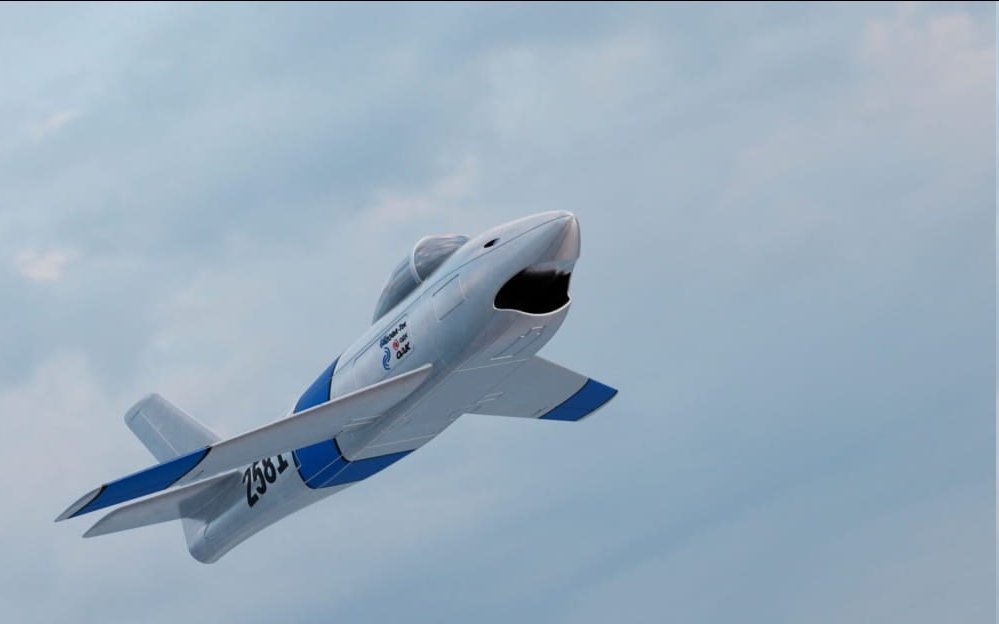
Russia announced the DF-3 Gadyuka, described as an anti-drone unmanned aerial vehicle system, reportedly capable of destroying 15 to 20 enemy drones in a single sortie while reaching speeds of 850 km/h. The announcement was made in Moscow and disseminated through Russian state media outlet Sputnik. The system is presented as an advanced air defense capability, though no operational details, deployment status, or technical specifications beyond the claimed performance figures were provided.
Context and assessment
The announcement follows escalating drone warfare in the Ukraine conflict, where both Ukrainian and Russian forces have increasingly deployed unmanned systems for reconnaissance, strike, and air defense roles. It comes shortly after Ukrainian forces reportedly conducted a large-scale drone strike on Moscow itself on October 9, suggesting the announcement may reflect Russian efforts to demonstrate air defense readiness. The DF-3 Gadyuka appears designed to counter the proliferation of affordable loitering munitions and reconnaissance drones, a category of weapons that has become central to operations on both sides. However, claims of such performance—destroying multiple drones at extreme speeds—typically require independent verification, as promotional statements often outpace demonstrated capability.
Sources and confidence
Source: Russian state media Sputnik, reported via X account @ConflictTR. Single-source reporting with no independent cross-confirmation identified. Confidence score of 6.1 reflects that the announcement itself is confirmed from an official channel, but the claimed technical specifications remain unverified. Confidence would increase with independent assessments from military analysts or sightings of deployed systems.
Location
Moscow, Russia, where the announcement was made through official Russian channels. Moscow is the Russian capital and primary hub for state media distribution, located in western Russia roughly 400 km west of the front lines in Ukraine. The announcement venue reflects its status as a policy and communications center rather than a deployment location.
Related events nearby
- Putin reportedly orders Russian military to capture Zaporizhzhia city and advance to left bank of Dnipro river2026-10-10 09:11 UTC · Statement · Moscow, Russia
- Kremlin states Putin coordinated with Iran on a potential solution and conveyed Tehran's views to Trump regard2026-10-10 09:31 UTC · Diplomacy · Moscow, Russia
- Kremlin reports Putin told Trump that Ukrainian Armed Forces attacks on election day necessitate Moscow recons2026-10-09 21:33 UTC · Statement · Moscow, Russia
- Ukrainian forces conducted a large-scale drone strike on Moscow. Explosions reported in the Russian capital; d2026-10-09 13:37 UTC · UAS Strike · Moscow, Russia
- Kremlin spokesman announces that Putin and Trump will hold a telephone conversation in the near future, signal2026-10-09 12:54 UTC · Diplomacy · Moscow, Russia
▶ View this event on the live map

Intel Mapper aggregates open-source reports from monitored Telegram and X channels, geolocates them, cross-checks duplicates across sources and assigns a confidence score. Entries are updated as new confirmations arrive. Read how we verify events.