Strait of Hormuz sees highest weekly tanker attacks since February escalation
What happened
Reuters reports that 12 attacks on oil, liquefied natural gas, and liquefied petroleum gas tankers occurred in and around the Strait of Hormuz between September 28 and October 5, 2026. This represents the highest concentration of such incidents in a single week since the U.S.-Iran escalation began on February 28, 2026. The attacks targeted commercial shipping transiting one of the world's most critical energy chokepoints.
Context and assessment
The Strait of Hormuz handles roughly one-third of global maritime petroleum trade, making attacks there strategically significant and economically disruptive. The recent spike follows months of mounting tension since February's U.S.-Iran confrontation. Related events from the same period show Iranian Rezvan drone strikes against vessels in the corridor and injuries to crew aboard a Panama-flagged tanker, suggesting sustained targeting of commercial shipping. The Greek Foreign Minister's concurrent offer of naval support indicates growing international concern about freedom of navigation. This escalation pattern may reflect Iran's attempt to pressure shipping and regional allies, or signal broader regional instability affecting maritime commerce.
Sources and confidence
Reuters reported the 12-attack figure via Telegram's ClashReport channel on October 7. The data derives from a single primary source with low geographic precision covering a broad region. Confidence is moderate (7.0/10) because Reuters is a reputable news agency, but the report aggregates incidents across a week-long period rather than confirming individual attacks independently. Confirmation of specific vessel incidents and attribution would raise confidence; contrary reporting from shipping authorities would lower it.
Location
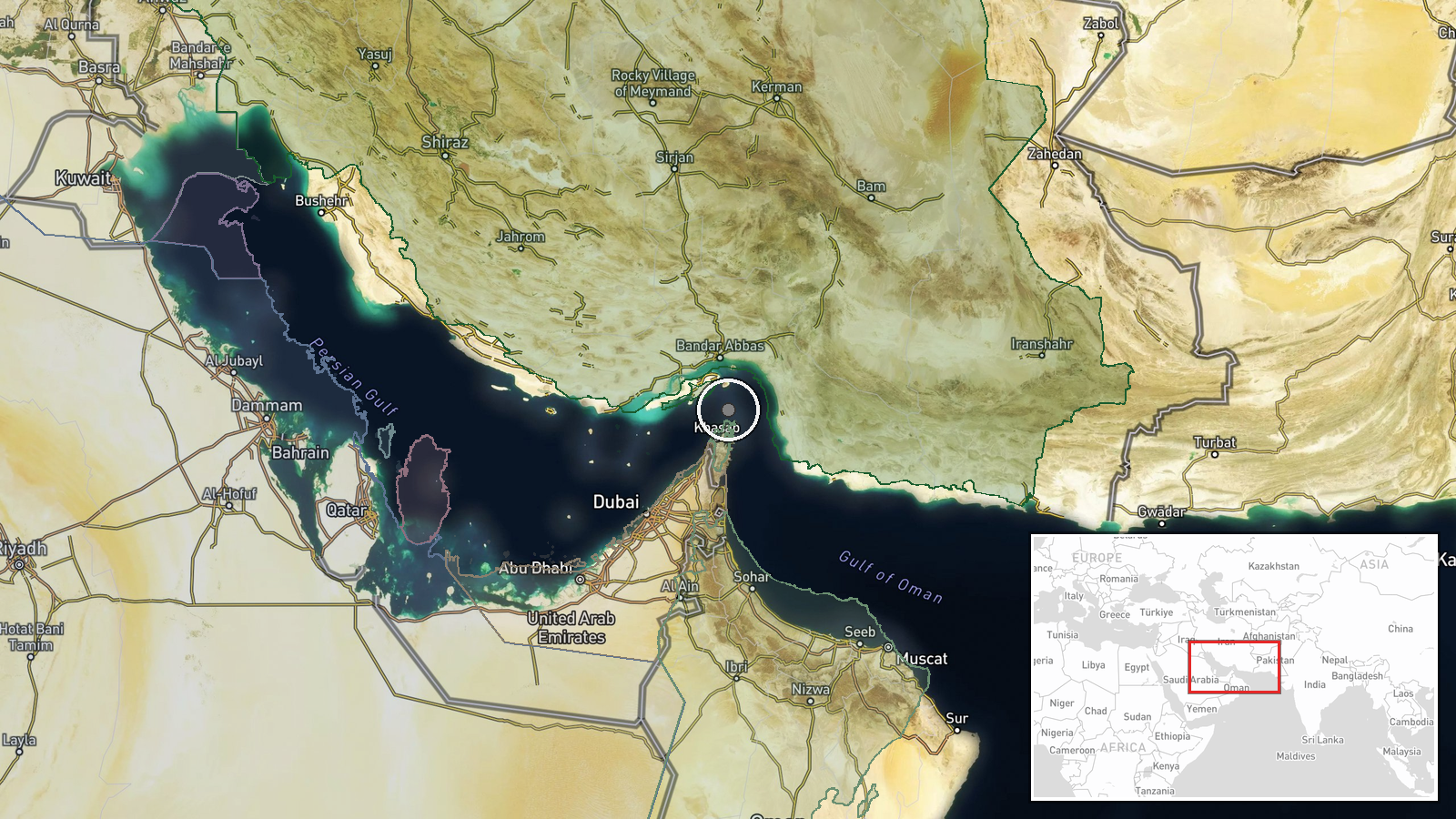
The Strait of Hormuz, the narrow waterway between Iran and Oman connecting the Persian Gulf to the Gulf of Oman, approximately 54 nautical miles at its narrowest point. The region has two established transit corridors, including the Omani-side corridor referenced in related drone strike reports. Coordinates (26.55°N, 56.4°E) indicate the central strait region.
Related events nearby
- Iranian Rezvan one-way attack drone launched overnight toward merchant vessels transiting the Omani corridor o2026-10-07 13:36 UTC · UAS Strike · Strait of Hormuz, Oman Corridor, Persian Gulf
- Greek Foreign Minister declares readiness to provide naval support in the Strait of Hormuz region in cooperati2026-10-07 11:01 UTC · Statement · Strait of Hormuz, Persian Gulf
- Panama-flagged oil tanker attacked in Strait of Hormuz; 12 crew injured by unidentified projectile. Oman evacu2026-10-06 18:27 UTC · Naval · Strait of Hormuz
- Iran's IRGC conducted 12 tanker attacks in the Strait of Hormuz between September 29 and October 5, striking v2026-10-06 16:51 UTC · Naval · Strait of Hormuz
▶ View this event on the live map
Intel Mapper aggregates open-source reports from monitored Telegram and X channels, geolocates them, cross-checks duplicates across sources and assigns a confidence score. Entries are updated as new confirmations arrive. Read how we verify events.