Ukrainian air monitoring reports one jet-powered Geran-3 drone heading toward Zaporizhzhia
What happened
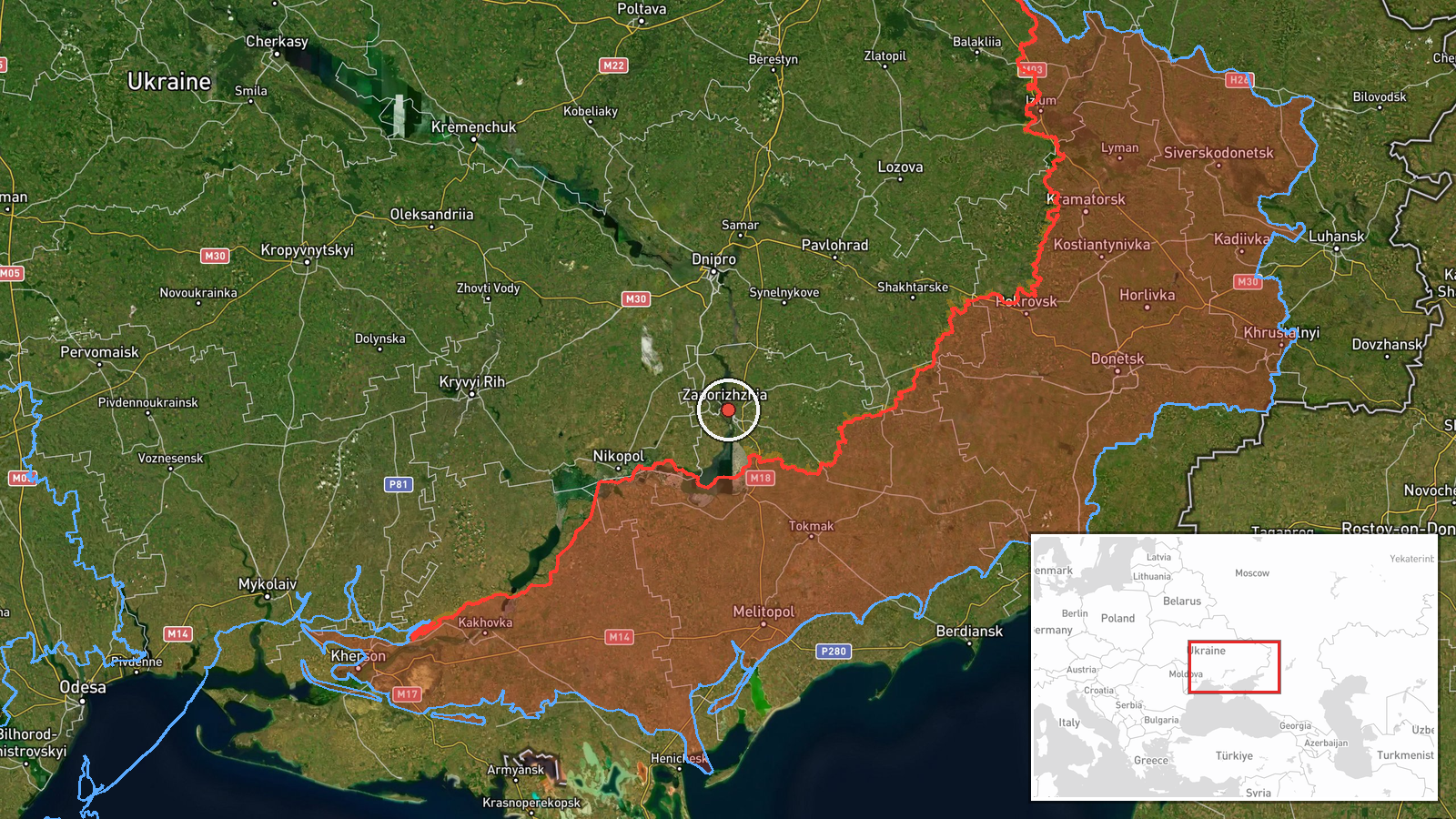
Ukrainian air monitoring, relayed through the Telegram channel @kpszsu, reported one Russian jet-powered Shahed-type drone, identified in the report as a Geran-3, heading toward Zaporizhzhia at 18:02 UTC on 21 October 2026. The original Ukrainian wording, 'Реактивний БпЛА на Запоріжжя', literally reads as a jet-powered UAV toward Zaporizhzhia. It does not describe an impact, a strike or any damage, so the alert concerns a drone in transit rather than a confirmed detonation. The report names no casualties, no specific target within the city and no outcome. Zaporizhzhia is a major city in southeastern Ukraine, and the alert refers to the city as a whole.
Context and assessment
This alert belongs to a busy day of Ukrainian air warnings for Zaporizhzhia. Earlier on 21 October, monitoring reported a Russian guided glide bomb heading toward the city at 02:18 UTC, tactical aviation at 07:13 and a Shahed-type drone at 13:07. A warning at 13:35 described incoming strike drones threatening the city itself. The jet-powered Geran-3 alert is therefore one of several separate reports in a single day, which suggests sustained pressure on the city rather than a single isolated launch. A later entry at 18:30 places two or more Geran-3 drones passing southern Dnipropetrovsk Oblast heading west. That report is timestamped after this event and does not confirm that the same drones reached Zaporizhzhia. Operationally, the sequence may indicate that drones are being tracked along routes that pass through or near the oblast on their way to multiple targets. The jet-powered variant is generally faster than the piston-engined Shahed, which can shorten warning times and complicate interception. These links are inferences from the alert pattern, not confirmed targeting intent.
Sources and confidence
The event rests on a single channel, @kpszsu, which is the official Telegram channel associated with the Ukrainian Air Force's air monitoring alerts. No independent outlet or second channel is listed as corroborating it, and the confidence score of 8.0 reflects a credible official source offset by the lack of cross-confirmation. Confidence would rise if other monitoring channels, regional officials or wire services reported the same track, or if an impact or interception were confirmed. It would fall if later updates indicated the drone was diverted, lost or redirected away from the city, or if the alert was revised.
Location
The location is given at settlement precision and is marked high confidence, using the coordinates for the city of Zaporizhzhia, which is the reported destination of the alert. Zaporizhzhia sits on the Dnipro River in southeastern Ukraine, where the river has been dammed into a large reservoir upstream of the city's southern approaches. The Zaporizhzhia nuclear power plant lies some distance to the southwest, near Enerhodar. Because the alert names the city rather than a point within it, the coordinates identify the urban area rather than any specific site.
Related events nearby
- Ukrainian air monitoring warns of incoming Russian strike drones threatening Zaporizhzhia city.2026-10-21 13:35 UTC · Drone Transit · Zaporizhzhia, Zaporizhzhia Oblast, Ukraine
- Ukrainian air monitoring: 1 Russian Shahed-type drone heading toward Zaporizhzhia.2026-10-21 13:07 UTC · Drone Transit · Zaporizhzhia, Ukraine
- Ukrainian air monitoring: Russian tactical aircraft (tac. aviation) heading toward Zaporizhzhia.2026-10-21 07:13 UTC · Combat Aircraft · Zaporizhzhia, Ukraine
- Ukrainian air monitoring: 1 Russian guided glide bomb (KAB) heading toward Zaporizhzhia.2026-10-21 02:18 UTC · Airstrike · Zaporizhzhia, Ukraine
- Ukrainian air monitoring: 2+ Russian jet-powered Shahed (Geran-3) drones passing southern Dnipropetrovsk Oblas2026-10-21 18:30 UTC · Drone Transit · southern Dnipropetrovsk Oblast, Ukraine
▶ View this event on the live map

Intel Mapper aggregates open-source reports from monitored Telegram and X channels, geolocates them, cross-checks duplicates across sources and assigns a confidence score. Entries are updated as new confirmations arrive. Read how we verify events.