Israeli artillery resumes shelling of Kafrman village in southern Lebanon
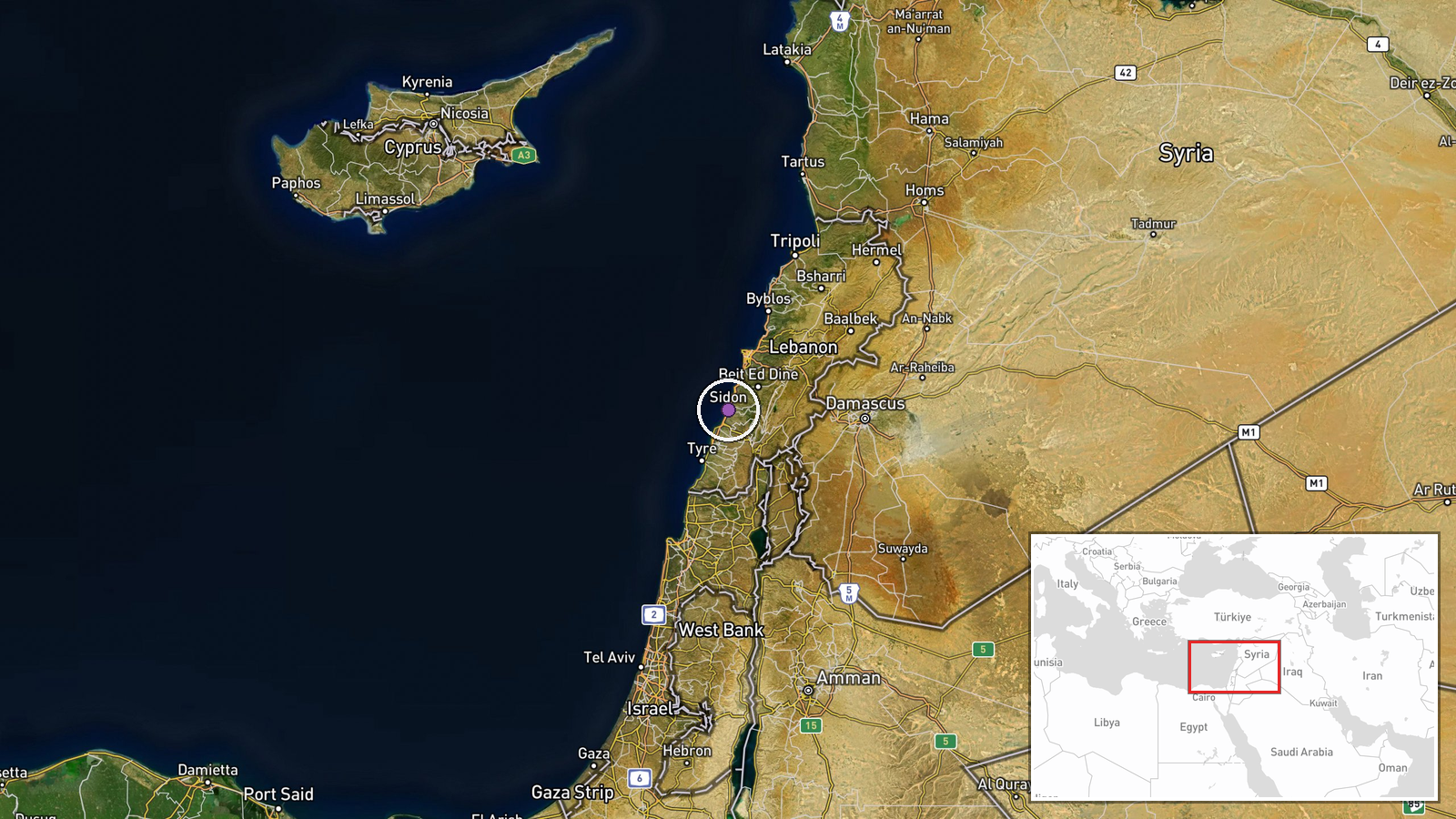
What happened
Israeli artillery fire resumed bombardment of Kafrman, a village in southern Lebanon, according to an Al-Manar correspondent report on September 2. The report provided minimal operational detail, noting only the resumption of shelling without specifying duration, intensity, or immediate damage assessment. Al-Manar, the media outlet of Hezbollah, was the sole source reporting this particular incident.
Context and assessment
Kafrman lies in southern Lebanon, a region where Israeli and Hezbollah forces have engaged in recurring clashes. The shelling fits a broader pattern of Israeli military operations in the area, reinforced by Israeli Defense Minister Katz's claim earlier on September 2 that Israeli forces had destroyed villages in southern Lebanon serving as Hezbollah strongholds. The resumption of artillery fire suggests continued Israeli pressure on positions or infrastructure in the region, though the specific tactical objective remains unclear. Southern Lebanon has historically hosted Hezbollah military assets, making it a consistent focus of Israeli operations.
Sources and confidence
Al-Manar correspondent reported the incident via Telegram channel @warmonitors on September 2 at 20:59 UTC. Only a single source carried the report, with no independent cross-confirmation evident. The confidence score of 6.0 reflects the single-source nature of the report and minimal operational details provided. Confirmation from additional outlets or Israeli military statements would increase confidence; independent verification of civilian impact or specific target identification would strengthen assessment.
Location
Kafrman is a settlement in southern Lebanon, positioned at approximately 33.56°N, 35.38°E. The village lies within the broader region of southern Lebanon where Israeli and Lebanese/Hezbollah forces maintain active positions. The location determination derives from settlement-level precision, with high confidence in geographic placement.
Related events nearby
- Lebanese authorities arrested a 5-person network (3 Syrians, 2 Lebanese) planning attacks on Syrian coastal go2026-09-02 15:02 UTC · Security · Beirut, Lebanon
- Israeli Defense Minister Katz claims Israeli forces destroyed areas in southern Lebanon and ruined dozens of v2026-09-02 08:51 UTC · Statement · Southern Lebanon
- Israeli occupation forces patrol of approximately 10 vehicles advancing toward Ain Ziyawan village in southern2026-09-02 19:14 UTC · Deployment · Ain Ziyawan, Quneitra Governorate, Syria
- Syrian authorities begin rehabilitation work on Mezzeh Airport next week, transitioning it from military to ci2026-09-02 10:40 UTC · Humanitarian Aid · Mezzeh Airport, Damascus, Syria
- Lebanese authorities arrested a Syrian officer and accomplices suspected of planning attacks against the Syria2026-09-02 18:04 UTC · Security · Damascus, Syria
▶ View this event on the live map
Intel Mapper aggregates open-source reports from monitored Telegram and X channels, geolocates them, cross-checks duplicates across sources and assigns a confidence score. Entries are updated as new confirmations arrive. Read how we verify events.